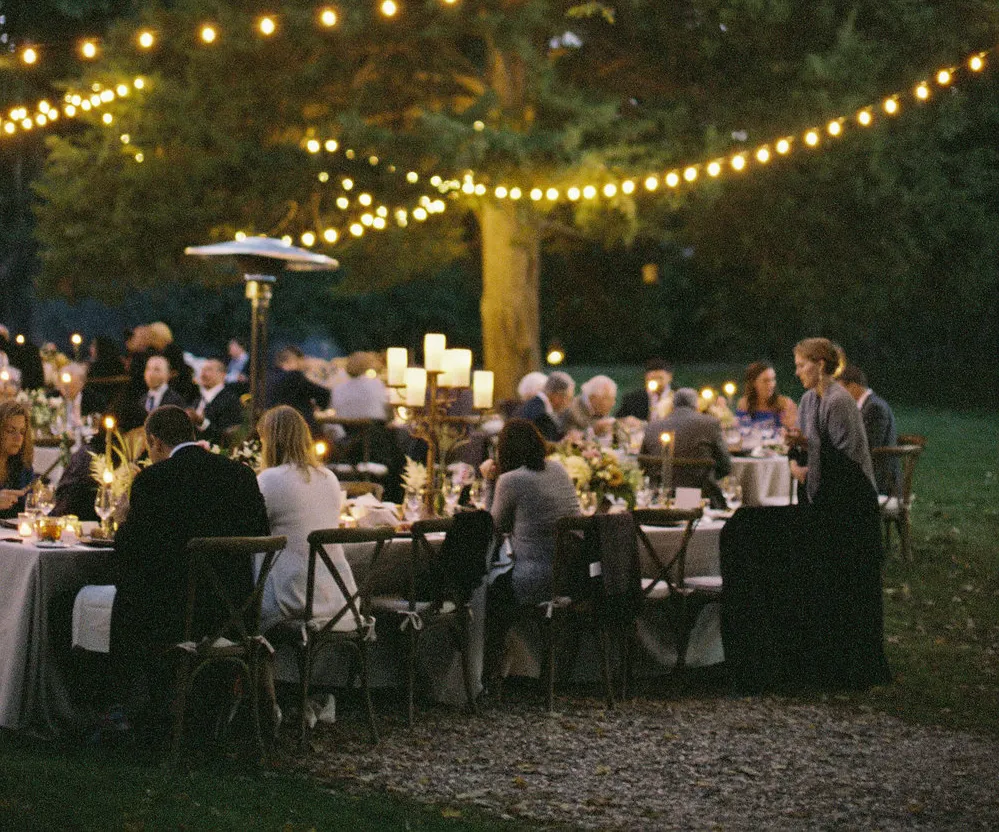
Setting Realistic Goals: Managing Event Attendee Expectations
hen planning a successful event, aligning your goals with attendee expectations is one of the most critical elements. Whether you're organizing a corporate retreat, intimate celebration, or major conference, understanding what guests anticipate can shape everything from programming and pacing to venue layout. Misaligned expectations can lead to disengagement, confusion, or missed opportunities for connection. Setting clear, achievable goals helps ensure that attendees leave feeling satisfied, inspired, and eager for your next event.
Understanding Attendee Expectations From the Start
Attendee expectations begin forming the moment someone receives an invitation or views your event website. Guests start imagining how the day will unfold based on how you describe the experience. If your messaging is unclear or overly ambitious, it can result in mismatched perceptions and disappointment.
Setting the right tone early means being honest and specific. Will the event be formal or casual? Will there be structured programming or free-flowing experiences? Clear language prevents confusion and sets a foundation for realistic expectations.
At this stage, details matter more than flair. Descriptions of speakers, food, entertainment, or timing should reflect what’s actually planned, not what you hope might happen. Furthermore, following through on what you promise or even exceeding it builds trust with your audience.
Finally, establishing alignment requires an internal gut check. Are your goals as a planner in sync with what attendees want? When expectations match delivery, satisfaction follows naturally.
Using Demographics to Shape Event Goals and Experiences
Understanding demographics allows you to move beyond guesswork and build goals tailored to specific audience needs. Age, professional background, location, and cultural context all shape attendee expectations and influence how guests engage with an event.
Younger guests may look for hands-on engagement and digital touchpoints like live polls or social media integrations. Older guests might prefer fewer tech-heavy features and more emphasis on hospitality and comfort. Recognizing this distinction early helps shape everything from seating arrangements to pacing.
Moreover, industry professionals also arrive with unique needs. A creative team attending a brand launch wants inspiration and interaction, while finance executives at a retreat value clarity, timing, and ROI. Attendee expectations vary by industry, so aligning goals with professional context improves relevance and overall experience.

Geographic and cultural diversity can influence food choices, entertainment, and even how time is structured. Being culturally responsive not only ensures inclusivity but increases engagement. When people feel seen and understood, they respond with trust and enthusiasm.
Planners can gather demographic insights through pre-event registration forms, past attendance data, or informal conversations with attendees. These insights become essential tools in tailoring event goals to actual needs.
Communicating the Experience Before It Begins
Once goals are in place, communication becomes your most powerful alignment tool. Every email, social post, or invite carries a message about what to expect. When communication is thoughtful and consistent, it minimizes confusion and builds anticipation.
A detailed agenda or program overview helps shape mental expectations. Attendees who know the structure can prepare mentally and physically for the day. This simple clarity contributes to smoother transitions and better engagement throughout the event.
Furthermore, sending short pre-event messages can provide helpful reminders and energy boosts. Teasers about a keynote speaker or sneak peeks at the décor or catering allow guests to imagine themselves in the space. These details support excitement while maintaining realism.
Managing attendee expectations also means being transparent about what’s not happening. If your event won’t have a formal dinner or won’t provide transportation, say so early. Removing ambiguity keeps your audience informed and confident in their plans.
Designing Experiences That Align With Attendee Expectations
Execution is where expectations are either fulfilled or broken. Everything from signage and flow to food and timing needs to reflect what was promised in the planning phase. Your event's design should speak the same language your promotions did.
Consistency matters. If you positioned the event as intimate and curated, then guests should be met with personalized touches, small-scale layouts, and a sense of warmth. If your theme was energetic and bold, then lighting, music, and movement should reflect that mood.
Guest flow should support rather than frustrate. Long lines, confusing signage, or inaccessible spaces erode trust quickly. Moreover, good logistics are the unseen foundation of meeting attendee expectations.
Food and drink remain some of the most discussed elements post-event. Whether it’s a grazing table, seated meal, or passed appetizers, it should feel in line with the tone and duration of the event. Quality, timing, and presentation all matter—and they should reflect what was previewed beforehand.
Measuring Success Through Attendee Feedback and Reflection
The event may end when the last guest leaves, but managing attendee expectations continues through thoughtful evaluation. Post-event feedback offers direct insight into whether your planning met the mark.
Surveys should include questions that tie directly to your goals. Did attendees feel welcomed? Was the pacing right? Were expectations met? Analyzing this data allows you to identify what worked and where to adjust.
Subsequently, social media mentions and photo-sharing can serve as a passive form of feedback. Are guests posting highlights that align with your event vision? Are comments echoing the tone you intended to deliver? This soft data helps round out the story numbers can’t tell.
Internally, your team should hold a post-event debrief. Discuss whether expectations were clear, goals were met, and surprises were managed effectively. These conversations sharpen future planning and strengthen your team’s instincts over time.
Regularly reviewing and learning from attendee feedback ensures you stay grounded in your audience’s evolving needs. As attendee expectations shift, your planning evolves, and that agility is what builds long-term trust.
The Final Touch: Designing With Intention, Delivering With Heart
Setting realistic goals and aligning them with attendee expectations is more than just a planning strategy. It is the backbone of meaningful event experiences. When you design with care, communicate clearly, and reflect honestly, your events become more than occasions. They become stories people want to remember.
Build your next event with clarity, creativity, and calm execution. Copper Cricket specializes in crafting experiences that meet expectations beautifully, because when guests feel seen and supported, the celebration becomes unforgettable. Let’s plan something worth remembering.
