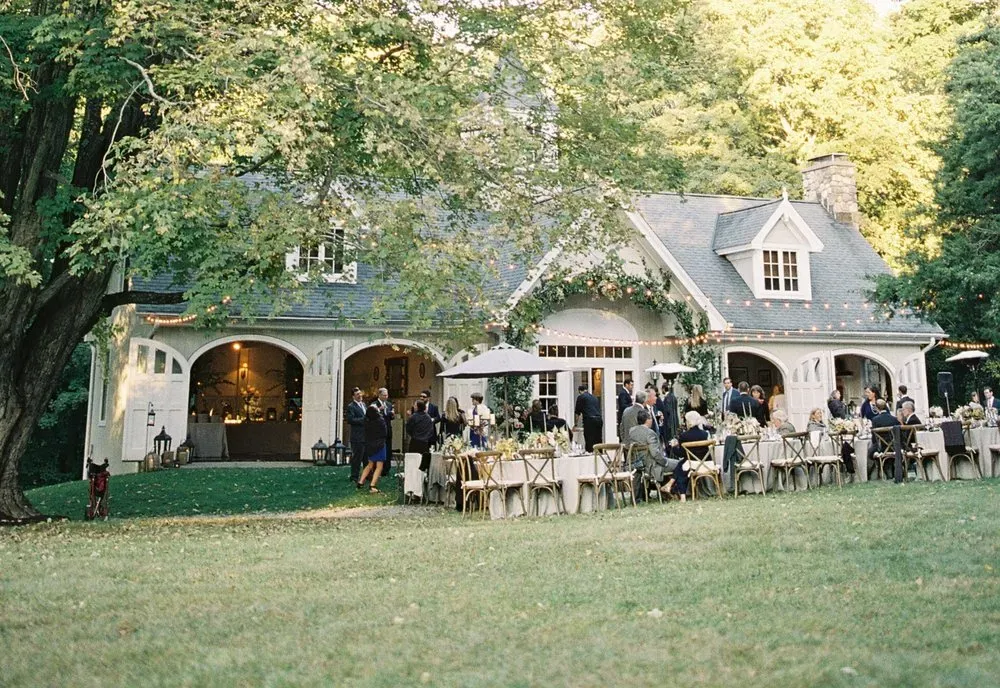
Purposeful Planning: Events Design with a Purpose
Every event tells a story, and at its core lies a purpose that drives every decision from concept to execution. Event design transcends aesthetics; it’s about crafting experiences that resonate with intention and meaning. Whether celebrating a personal milestone or launching a corporate initiative, aligning design elements with the event's purpose ensures a cohesive and impactful experience. Purposeful planning transforms gatherings into memorable narratives that leave lasting impressions.
In event design, purpose acts as the guiding star, influencing choices in layout, color schemes, and sensory elements. Design goes beyond visual appeal to create environments that evoke specific emotions and responses—understanding the event’s objectives—whether celebration, motivation, or commemoration—allows every aspect to reinforce a central message. Strategic approaches turn beautiful events into ones that are deeply meaningful and effective.
Defining the Event's Core Purpose
Identifying the fundamental purpose of an event is the first step in intentional design. Planners must understand the client’s vision, the message they wish to convey, and the emotions they hope to inspire. A wedding celebrates love and unity, guiding the design toward symbolism that evokes a sense of connection. A corporate function, on the other hand, may focus on innovation and momentum, which calls for elements that reflect progress and creativity.
Thorough consultations help uncover the deeper objectives that shape every element of the experience. A collaborative process ensures alignment between vision and execution from the outset. Cultural background and guest expectations often influence how purpose is expressed in visual form. Effective communication reveals the values at the heart of each event.

Purpose also reveals the outcomes a client hopes to achieve, such as building community, inspiring action, or honoring a milestone. Setting clear goals from the start helps planners direct resources to elements that serve the event’s intent. Each component of the design should speak to an intentional result. An experience created with clarity of purpose will resonate more strongly with attendees.
Consistency in message strengthens emotional impact across all elements of the design. Invitations, décor, and programming should express the same visual and thematic language. A well-articulated purpose allows guests to connect quickly with the experience. When storytelling informs every aspect of the event, the impact lingers long after it ends.
Integrating Purpose into Event Design Elements
Once the core purpose is clear, translating it into tangible design choices builds continuity. Color psychology offers a valuable tool for guiding mood—blue may convey calm, while red energizes and excites. By selecting colors that align with the emotional goals of an event, hosts can ensure that guests experience the desired emotions. Lighting design also plays a vital role in supporting these emotional cues.
Spatial layout significantly influences how people engage and interact within a space. Open areas facilitate mingling at networking events, while structured seating fosters reflection or celebration. The layout should guide behavior in ways that align with the host’s objectives. Physical flow and function always inform emotional response.
Thematic details further support the event’s message and create layers of meaning. Symbols, materials, or textures that connect to the theme can deepen the impact of the space. Interactive or sensory elements can increase engagement when used with purpose. Each decision becomes a touchpoint that reinforces the event’s story.
Uniformity across all materials—from signage to takeaways—supports a cohesive guest experience. Every visual and tactile moment should reflect a shared concept. When all components are coordinated to serve a larger purpose, they elevate one another. Good event design succeeds when every detail contributes to a central and unifying idea.
Collaborating with Vendors to Realize the Event Design Purpose
Purposeful execution depends on strong partnerships with vendors who understand the client’s mission. Shared goals create alignment in every product and service, from catering to lighting. A florist who understands the symbolism behind flower selections can enhance the story of a wedding or gala. A caterer who tailors a menu to the cultural context brings depth to the guest experience.
Consistent communication with vendors ensures the original purpose remains visible through every phase of planning. Visual guides such as mood boards and design decks help communicate direction. Ongoing check-ins promote collaboration and allow questions to be addressed early. Every vendor becomes a creative partner working toward a single outcome.

Responsive and flexible vendors add resilience to purpose-driven design. Challenges and last-minute changes are inevitable in events, but trusted vendors adapt without compromising the story. Professionals aligned with the overall goal can adjust thoughtfully in real time. When all contributors understand the purpose, they uphold its integrity under pressure.
Post-event reflection with vendors helps assess what worked and where improvements could be made. Honest evaluation of collaboration builds stronger teams for future projects. Purpose-focused debriefs also deepen vendor relationships and improve long-term planning. Consistency, communication, and shared goals elevate each individual’s contribution to the final experience.
Evaluating the Impact of Purposeful Design
Purposeful event design invites thoughtful analysis of how well the outcome aligned with the original vision. Client and guest feedback can provide critical insight into emotional resonance and message clarity. Surveys and conversations reveal whether attendees felt the intention behind the experience was met. These insights offer real value for future planning.
Quantitative metrics can also measure impact in meaningful ways. Corporate clients may look at leads generated, product engagement, or social media reach as key indicators. Celebratory events may track guest satisfaction or emotional connection to the story. Each event defines its standards for success based on its intended purpose.
Reflecting on how design translates goals into outcomes helps planners refine their future strategies. Uncovering where elements succeeded or underperformed creates a blueprint for improvement. Teams grow when they examine both strong and weak connections between purpose and execution. Honest evaluation makes future events more effective and impactful.
A clear archive of lessons learned can become a vital internal resource. Documentation supports future creative briefs and strengthens vendor communication. Clients benefit when experience leads to more brilliant, more precise design choices. Purposeful event design becomes stronger with every iteration.
Embracing Purpose in Every Event
Purposeful event design delivers more than beauty—it shapes meaning, memory, and emotional impact. Alignment between vision and execution brings events to life with clarity and coherence. Events that begin with intention achieve a deeper connection with guests and longer-lasting impressions. Strategic planning makes celebration feel deeply personal and carefully curated.
Intentionality, storytelling, and collaboration all shape how effectively event design supports a client's goals. Spaces, colors, and materials all communicate ideas, feelings, and values. Planning with purpose transforms a simple gathering into something profound and unforgettable. Every celebration becomes an opportunity to express a unique story.
Every event you envision deserves a process that brings it to life with creativity and meaning. If you want to design a purposeful celebration that reflects your story, we’re here to help. At Copper Cricket Events, we translate vision into experiences that feel intentional at every level. Reach out today to begin designing your next unforgettable event.
