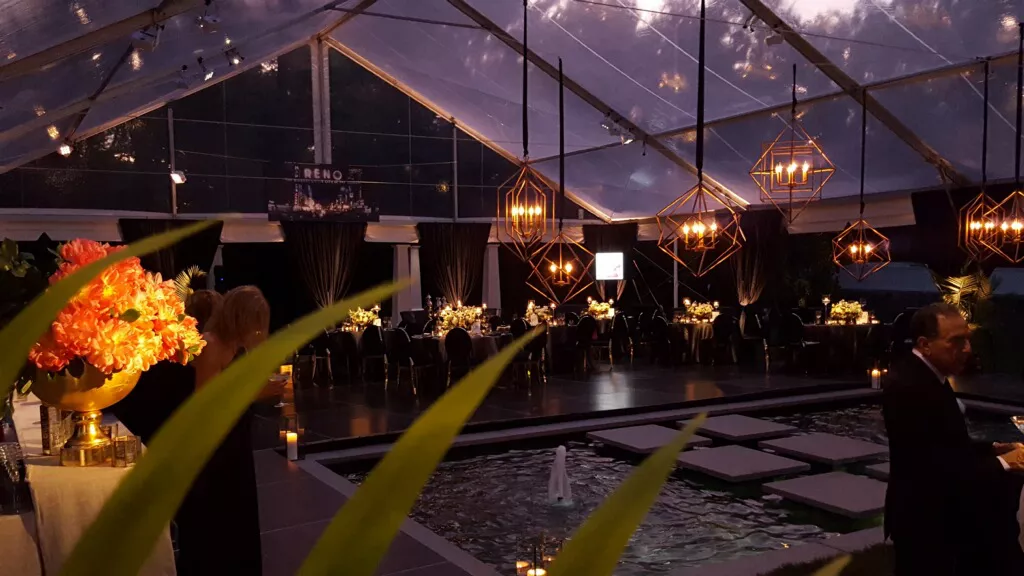
How Does Corporate Event Planning Drive Business Success?
Corporate event planning can transform routine gatherings into strategic tools that reinforce culture, brand identity, and team engagement. Each well-designed event presents opportunities to inspire employees, strengthen client relationships, and communicate a company’s mission clearly. Thoughtful planning ensures every detail aligns with overarching business goals, maximizing the impact of time and resources invested.
Effective corporate event planning requires intentional design that balances logistics, creativity, and meaningful interaction. Planning events with a clear purpose encourages participation and generates measurable outcomes that resonate long after the event concludes. Understanding how every element contributes to success allows organizations to leverage gatherings as catalysts for growth and connection.
How Can Corporate Event Planning Drive Business Success?
Corporate event planning transforms gatherings into strategic opportunities that strengthen culture and reinforce brand identity. Well-designed events align with business goals, encouraging meaningful participation and fostering loyalty. Every detail, from content to environment, contributes to measurable outcomes that support growth and connection.
What Are the Key Goals of Corporate Events?
Corporate event planning serves multiple objectives, including communication, recognition, and education. Leaders often seek to motivate teams, share strategic priorities, and celebrate accomplishments in a memorable way. Aligning event goals with company vision ensures outcomes benefit both employees and business growth.

When planning corporate events, key goals to consider include:
Enhancing engagement: Encourage active participation and meaningful interactions among attendees.
Knowledge sharing: Communicate strategic priorities, updates, and training effectively.
Recognition and celebration: Acknowledge achievements to boost morale and loyalty.
Networking opportunities: Facilitate connections between employees, partners, or clients.
Brand alignment: Ensure the event reflects organizational values and culture.
Measurable outcomes: Define metrics for evaluating success, from attendee feedback to ROI.
Creating purposeful events encourages meaningful participation and strengthens relationships among attendees. A clear focus on these goals helps organizers prioritize activities, guide design choices, and measure effectiveness confidently. Well-defined objectives ensure the event delivers both inspiration and practical value.
How Does Branding Influence Corporate Event Design?
Branding provides cohesion that strengthens recognition and communicates a company’s identity. Incorporating visual elements, tone, and messaging ensures events feel authentic and aligned with overall marketing strategy. Thoughtful design creates environments where attendees intuitively connect with the organization’s story.
Purposeful branding enhances engagement by reflecting company culture in every detail. Custom signage, color palettes, and experiential moments reinforce identity while maintaining professionalism. These elements support learning, networking, and collaboration by providing a familiar framework for participants.
Event branding also influences client perceptions, signaling professionalism and attention to detail. Consistency in messaging across venues, materials, and presentations reassures stakeholders of organizational reliability. Strong branding extends beyond visuals, shaping mood, energy, and participant behavior subtly yet effectively.
Aligning brand identity with event experiences is a key aspect of corporate event planning. Cohesive design deepens emotional connections and leaves memorable impressions on attendees. Strong branding contributes to business outcomes by fostering recognition, trust, and loyalty.
What Are Best Practices for Planning Corporate Event Logistics?
Efficient logistics form the backbone of seamless corporate event planning. Scheduling, vendor coordination, and contingency planning reduce stress and prevent disruptions. Attention to detail ensures that every element supports the event’s purpose without overshadowing content or engagement.
Key logistic practices to consider include:
Vendor selection and management: Identify trusted suppliers and manage contracts to ensure quality and reliability.
Scheduling and timelines: Coordinate setup, event flow, and follow-up to optimize efficiency.
Communication protocols: Maintain clear lines of communication with venues, vendors, and internal teams.
Security and attendee management: Implement access control, emergency planning, and crowd flow strategies, incorporating tips for event security planning.
Contingency planning: Prepare backup solutions for technology, catering, or other potential disruptions.
Documentation: Keep detailed records of responsibilities, timelines, and procedures for accountability.
Thoughtful logistics allow teams to focus on guest engagement rather than problem-solving under pressure. Every detail, from setup to execution, contributes to a professional and seamless event experience. Following these practices ensures attendees enjoy a smooth, memorable, and well-coordinated occasion.
How Can Engagement and Participation Be Maximized?
Creating interactive opportunities encourages attendees to contribute, learn, and feel valued. Polls, breakout sessions, and hands-on activities foster connection and collaboration. Purposeful engagement strategies transform passive attendees into active participants.
Environment and design influence engagement by supporting comfort, accessibility, and inspiration. Layouts that encourage conversation, lighting that enhances focus, and sensory cues that reinforce messaging increase participation. Every design choice supports intentional outcomes, helping attendees retain information and build relationships.
Communication before, during, and after events sets expectations and fosters involvement in corporate event planning. Sharing agendas, highlighting speakers, and offering participation incentives encourage attendance and active engagement. Proper planning ensures that attendees feel informed and motivated to contribute meaningfully.
Feedback mechanisms also strengthen engagement by demonstrating that participant voices matter. Surveys and interactive polls provide insight into experience quality and learning outcomes. Integrating insights from attendee expectations strategies helps refine future events for even greater impact.

How Should Event Success Be Evaluated?
Measuring outcomes ensures corporate events deliver intended results and supports continual improvement. Gathering quantitative and qualitative data provides a holistic view of performance. Attendance, engagement, and satisfaction are key indicators of success.
Surveys, polls, and follow-up interviews provide actionable feedback that informs future planning. Collecting insights on content relevance, logistical efficiency, and overall experience guides adjustments. Well-designed evaluation processes create benchmarks that track progress over time.
Tracking ROI demonstrates the value of investments in corporate event planning. Comparing costs to business benefits, such as client retention or employee engagement, validates resource allocation. Structured evaluation also highlights strengths to replicate and gaps to improve in subsequent events.
For comprehensive evaluation, consider combining participant feedback, internal metrics, and observational insights. Resources like measuring event impact offer frameworks to assess success systematically. This approach ensures leaders make data-informed decisions for continuous improvement.
Crafting Corporate Events That Leave Lasting Impact
Well-executed corporate event planning integrates vision, logistics, and engagement strategies seamlessly. Thoughtful attention to every detail, from design to participation, ensures experiences resonate long after the event concludes. Strong events reflect professionalism, foster connection, and reinforce organizational culture consistently.
Strategic corporate events support business success by aligning purpose with execution, strengthening brand identity, and enhancing team motivation. When leaders prioritize planning and evaluation, they cultivate meaningful, memorable experiences that drive measurable results. Copper Cricket delivers corporate event planning that inspires teams and strengthens brands. Partner with us to create professional experiences that connect, motivate, and impress.
