Cultural Sensitivity: Incorporating Client Culture and Values
Events have the power to connect people, communicate meaning, and celebrate life’s most important moments. When planning these occasions, cultural sensitivity is essential to ensure every guest feels respected, welcomed, and included from start to finish. Understanding a client’s cultural background allows planners to craft experiences that reflect authentic traditions while remaining elegant and cohesive.
Honoring values and traditions requires careful attention to detail, intentional design choices, and collaborative conversations with clients. Planners must integrate customs seamlessly without overshadowing other aspects of the event, creating an atmosphere that feels both personal and universally respectful. With these principles, events move beyond aesthetics to resonate deeply with attendees.
How Can Planners Respect Client Culture Without Overstepping?
Cultural sensitivity requires understanding what is meaningful to clients and translating those elements into thoughtful design and programming. Collaborative conversations and active listening help planners uncover essential traditions, rituals, and symbols while avoiding assumptions or misrepresentation. Integrating subtle cues, such as color palettes or ceremonial details, ensures events honor client values with care and authenticity.
Integrating Traditions and Rituals to Enrich the Experience
Incorporating traditions with cultural sensitivity transforms events into celebrations that feel intentional and heartfelt. Rituals, whether religious, familial, or societal, carry deep meaning for attendees and enhance engagement. Recognizing these customs encourages guests to participate authentically and feel included.

Event elements, including ceremonies, meal arrangements, and program flow, should respect cultural expectations while aligning with overall design. Adjustments to standard layouts may be necessary to honor these customs effectively. Planners often collaborate closely with clients to ensure every ritual is observed correctly and elegantly.
Schedule ceremonies according to cultural significance to respect tradition.
Incorporate symbolic gestures, such as blessings or specific rituals.
Adjust seating arrangements to honor cultural norms and expectations.
Integrate music, dance, or performances tied to heritage.
Using traditions to inspire event design adds layers of depth and storytelling. For example, integrating motifs from global influences can guide decor choices while reflecting authenticity. Carefully chosen elements encourage meaningful connections between guests and the occasion.
What Role Does Design Play in Reflecting Cultural Sensitivity?
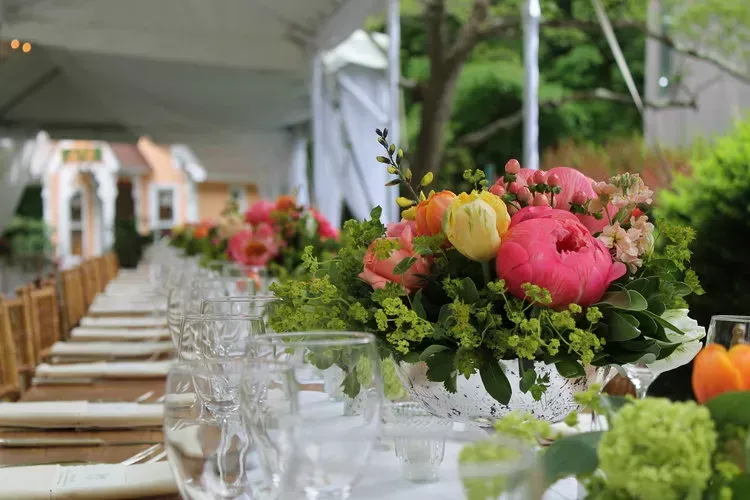
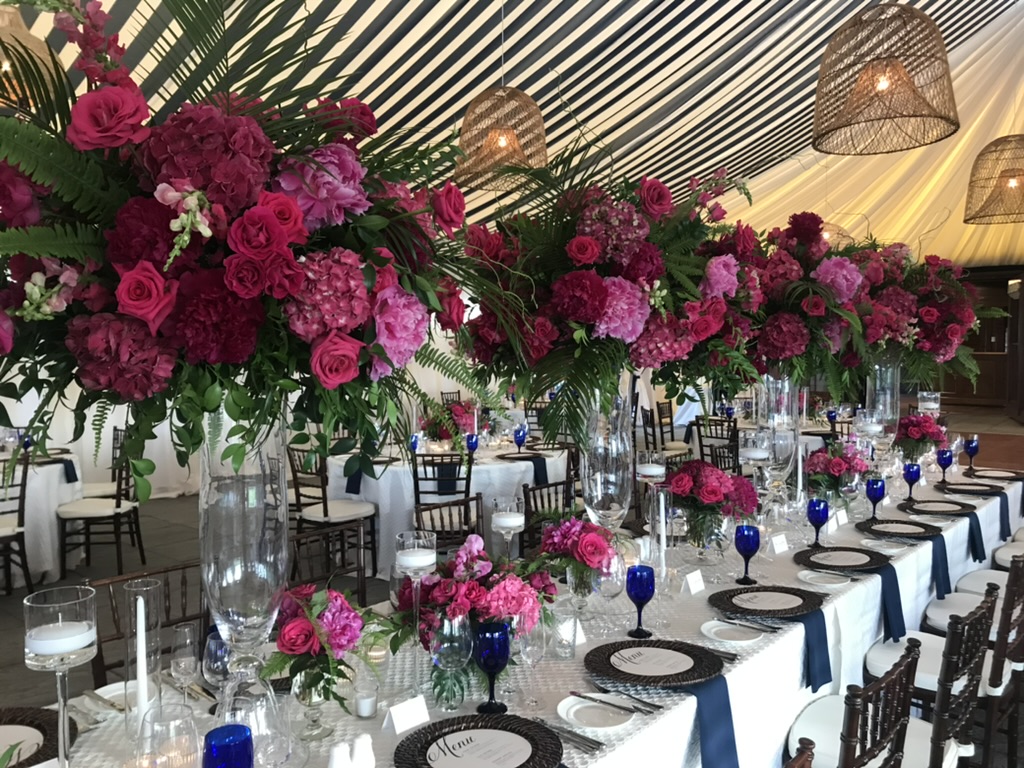
Design choices offer one of the most visible ways to reflect client culture. Every decision, from lighting and color palettes to tablescapes and floral arrangements, communicates respect for values and heritage. Color psychology can play a critical role in creating environments that feel harmonious and welcoming.
Understand symbolic meanings: Certain colors, textures, or patterns carry cultural significance that must be acknowledged.
Incorporate literary or artistic references: Drawing inspiration from literature or traditional storytelling can enrich the design.
Maintain aesthetic cohesion: Ensuring elegance and style while integrating cultural elements is essential.
Use subtle cues thoughtfully: Small touches, such as signage language or table naming conventions, reinforce inclusivity.
When planners intentionally reflect values in their design, events feel authentic rather than staged. Cultural sensitivity in design communicates care and builds lasting trust with clients.
Collaborative Conversations to Uncover Meaningful Details
Developing cultural sensitivity requires active dialogue with clients throughout the planning process. Asking targeted questions about traditions, family expectations, and personal values allows planners to uncover details that elevate the event. Open conversations also provide opportunities to navigate potential conflicts or sensitivities early.
Documentation of cultural elements ensures consistency across all event aspects. From menu planning to entertainment and decor, teams can maintain authenticity without sacrificing style or flow. Collaborative planning reduces misunderstandings while creating a more inclusive atmosphere.
Regular check-ins with clients allow adjustments as new cultural insights arise. Sharing visual examples and references can clarify intentions and foster alignment on design and programming. This approach guarantees that every decision is deliberate and meaningful.
Can Inclusive Planning Strengthen Trust Across Diverse Backgrounds?
Cultural sensitivity extends beyond individual events to a broader ethos of inclusivity. Planners must consider accessibility, dietary restrictions, language needs, and social dynamics to ensure all guests feel comfortable. Thoughtful accommodations demonstrate respect for diversity and strengthen client relationships.
Inclusive planning involves anticipating potential challenges and preparing flexible solutions. Teams can adapt schedules, layouts, and experiences to honor cultural values without compromising flow or elegance. Communicating these adjustments clearly to guests enhances overall engagement.
Identify guest needs early, including accessibility and dietary restrictions.
Adjust program flow to respect cultural or religious observances.
Offer multilingual materials or interpreters when necessary.
Provide comfortable spaces for reflection or prayer when relevant.
By embedding inclusivity into every step, planners create environments where all attendees feel seen, respected, and connected. Trust grows as clients recognize the effort and expertise applied to honor their culture while providing a seamless experience.
Honoring Client Values Through Cultural Sensitivity
Cultural sensitivity transforms events into celebrations that reflect clients’ values authentically and thoughtfully. Planners who prioritize understanding traditions, collaborating closely with clients, and designing intentionally create meaningful and inclusive experiences. Thoughtful integration of cultural elements ensures every aspect of the event feels personal and respectful.
Integrating cultural elements enhances engagement, builds trust, and ensures events resonate long after they conclude. Copper Cricket honors client culture and values with care, weaving them seamlessly into each event with authenticity and grace. Schedule a call today to explore how your next celebration can reflect what matters most to you.
