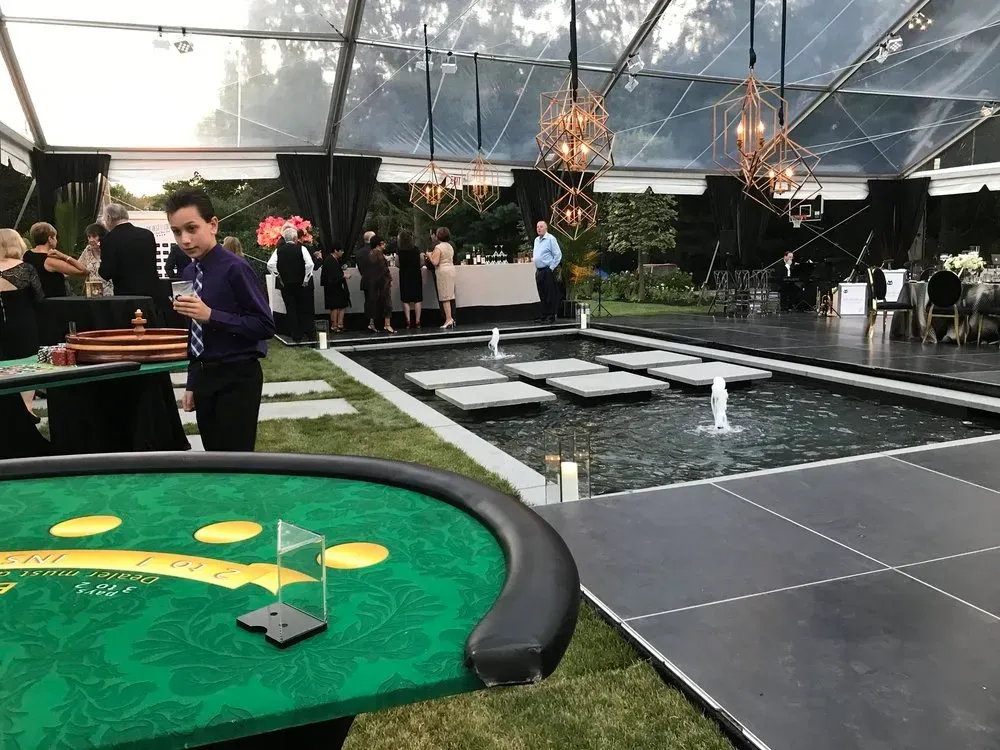
Color Matters: The Role of Color Psychology in Event Design
Creating immersive event experiences involves more than beautiful décor—it requires an intentional design strategy that engages guests on an emotional level. Color psychology plays a crucial role in shaping how people perceive, respond to, and remember an event. When used strategically, color elevates storytelling, influences guest behavior, and reinforces the tone of each moment. A well-planned color palette transforms space and emotion into one cohesive experience.
Designing an event without understanding color psychology risks visual dissonance and lost emotional impact. Planners must consider how different hues influence perception, mood, and social interaction. Each shade carries subconscious meaning that affects the event’s tone, from serene ceremonies to high-energy galas. Color becomes more than decoration—it becomes a tool for immersive and emotionally aligned design.
Understanding the Fundamentals of Color Psychology
Color psychology explores how color influences human behavior and emotional responses. In event design, these associations guide decisions about palette, balance, and flow across visual elements. Blue evokes calm and trust, while red suggests passion, power, or excitement depending on saturation and context. Each hue carries symbolic significance, and designers must align their selections with the intended event atmosphere.
Designers cannot assume all guests interpret color the same way. Cultural background, personal associations, and lighting conditions influence how colors are experienced. Color psychology must be applied with sensitivity to audience and setting, rather than relying on generic interpretations. For example, white suggests purity in Western cultures but may signify mourning in others.

Strategic application of color psychology requires more than choosing a favorite hue. Designers must assess the function of each space—ceremony, reception, dance floor—and apply tones that support behavioral cues. Softer shades invite intimacy and focus, while bold contrasts energize large crowds and encourage social movement.
Incorporating color psychology does not limit creativity. Instead, it empowers planners to make informed, purposeful choices that support storytelling and brand alignment. With intentional palettes, designers create immersive environments that resonate deeply and linger in memory long after the event concludes.
Aligning Color with Event Purpose and Tone
Each event serves a specific purpose—celebration, recognition, unity, or remembrance—and color psychology supports the emotional weight of that intention. A wedding might call for romantic blushes and soft neutrals, while a product launch benefits from high-contrast branding tones. The palette should never compete with the purpose but amplify it through harmony and emotional precision. Choosing colors based on emotional resonance ensures guests feel aligned with the event’s core message.
Corporate events often require restrained palettes that reflect professionalism and brand consistency. Cool neutrals, blues, or greys convey authority and trust, essential for executive gatherings or investor presentations. When hosting client-facing events, a touch of vibrant accent color energizes the environment without diluting the brand’s image. Color psychology helps maintain elegance while inviting dynamic energy.
Social celebrations allow for more expressive palettes. Milestone birthdays, anniversaries, or holiday events often embrace saturated tones that reflect personality or seasonal mood. Color becomes a tool for storytelling, signaling celebration or nostalgia depending on hue and balance. Every color decision reinforces the host’s intention and the guest’s emotional response.
The event tone also guides texture and lighting decisions that support the palette. Matte versus gloss, candlelight versus LED, and floral choices all reinforce the chosen emotion. A well-executed design plan applies color psychology holistically, using every visual touchpoint to elevate the event’s atmosphere.
Balancing Color with Venue Architecture and Lighting
Color psychology cannot be isolated from the physical characteristics of the event space. Venues come with inherent color palettes—walls, flooring, ceilings, and ambient light—that influence how added tones will appear. Designers must evaluate venue features before finalizing palettes to ensure compatibility and cohesion. Working with the existing space allows color to complement rather than conflict with the architecture.
Natural lighting significantly affects how color is perceived. A soft blush centerpiece might appear warm and romantic in daylight but may seem washed out under cool evening lighting. Artificial lighting—especially in tented or dark indoor venues—can distort tones if not tested in advance. Planners should always conduct lighting tests with actual materials to verify how colors translate under event conditions.
Neutral backdrops provide flexibility and highlight accent colors with greater clarity. When venues include intense architectural colors, palettes must either blend harmoniously or assert a clear contrast to avoid visual dissonance. Color psychology must adjust to real-world spatial dynamics rather than rely solely on inspiration boards or digital mockups.
Layering colors through floral, textiles, and lighting allows for depth and dimension in event design. Strategic layering softens bold tones and enriches muted ones, creating visual rhythm across the space. Each layer supports the emotional effect intended, reinforcing color psychology through multi-sensory harmony.
Using Color to Guide Guest Flow and Experience
Color psychology extends beyond mood—it serves as a wayfinding tool that shapes how guests interact with the space. Designers use color cues to indicate transitions, invite interaction, or slow movement for reflection. Warm tones energize and encourage a flow toward focal points, while cooler hues create a pause and promote relaxation. Strategic placement of color becomes functional as well as aesthetic.
Entrance spaces often benefit from inviting tones that set the mood and offer emotional clarity. Rich jewel tones signal formality and grandeur, while light pastels invite calm and openness. First impressions guide guest expectations, so the opening color story must align with the event’s pacing and tone. Color helps define not only the visual identity but also the social rhythm of the event.

Dance floors, lounges, and high-energy zones benefit from vibrant or high-contrast palettes that stimulate activity. Saturated hues like magenta, tangerine, or cobalt blue inspire movement and social interaction. These areas serve different functions than dining spaces, where muted palettes encourage conversation and intimacy. Differentiating color zones helps guests intuitively engage with the environment.
Wayfinding and spatial organization also benefit from thoughtful color application. Signage, floor patterns, and lighting can guide guests without verbal instruction. By incorporating color psychology in this way, a seamless flow is supported and confusion is reduced, especially in complex event layouts.
Designing for Emotional Impact and Long-Term Memory
Event design is most successful when it leaves guests with an emotional imprint that extends beyond the event itself. Color psychology plays a key role in this by activating memory and emotional association. A well-chosen palette becomes part of the story guests recall when reflecting on the experience. Every detail—from napkin color to lighting transitions—supports a larger emotional architecture.
Emotional resonance comes from consistency and clarity. When the color story is cohesive, guests experience a unified emotional journey throughout the event. Fragmented or overly trendy palettes can feel disjointed and detract from the message. The consistent application of color psychology enables a more profound emotional connection and more lasting impressions.
Photographic documentation also benefits from intentional color choices. A strong palette ensures visual continuity across images, enhancing both the aesthetic and storytelling value of event photos. These photos become part of the client’s narrative, and well-executed color design makes them timeless and shareable. Color psychology supports not only the in-person experience but also the post-event memory landscape.
Event professionals must think beyond aesthetics. Color decisions must serve not only emotional impact and functional clarity but also long-term guest memory. With thoughtful application, color becomes a powerful design tool that reinforces every layer of the event narrative.
Creating Meaningful Design with Intention
Every event tells a story, and color shapes how that story is felt, remembered, and shared. Color psychology empowers designers to move beyond decoration and into intentional emotional design.
If you're looking to create an experience that resonates from first impression to final photo, trust Copper Cricket Events to bring expert design and strategic vision to your celebration. Talk to us today.
