Showcasing Your Skills: Building a Coordination Portfolio
A strong coordination portfolio is more than a visual record of past events. It’s a curated narrative that shows how you work, how you solve problems, and how you bring a vision to life under pressure. For new or emerging planners, building this kind of portfolio can help open doors, attract trust, and reflect both creative flair and logistical skill.
Clients want to see that you’re not only detail-oriented, but strategic. That means showing more than beautiful images; it means highlighting the decisions, pivots, and insights behind them. A thoughtfully developed coordination portfolio demonstrates your growth and makes it easier for clients or collaborators to recognize your value from the start.
Highlighting Your Process, Not Just the Product
Great event photos are compelling, but they don’t tell the full story. What sets a professional apart is their ability to showcase the process: how challenges were handled, how vendors were managed, and how decisions came together under real constraints. Your coordination portfolio should reflect your ability to lead with clarity while staying flexible when the unexpected happens.
Consider including a short summary of each project you feature, identifying key planning moments and outcomes. Did you manage last-minute vendor cancellations or adapt a layout due to weather? These aren’t setbacks; they are moments that reveal your strength. Including context allows viewers to connect with your problem-solving mindset.
Don’t be afraid to share lessons learned. Clients often appreciate seeing how one experience shaped your approach to the next. Highlighting how you prepare for the unexpected—through contingency plans and steady communication—shows professionalism and composure under pressure. It’s these insights that leave a lasting impression.
Use captions or side notes to outline planning decisions or timeline pivots. When you bring people inside your process, you invite trust. Your ability to manage change with composure is as critical as any visual result.
Visual Curation That Reflects Your Coordination Portfolio Style
Images remain one of the most powerful tools in your coordination portfolio, but not every photo will serve your goals. Curation should be intentional, drawing attention to variety, cohesion, and your ability to interpret different client visions with integrity. Whether you lean toward whimsical garden weddings or modern corporate galas, consistency in quality is what matters most.
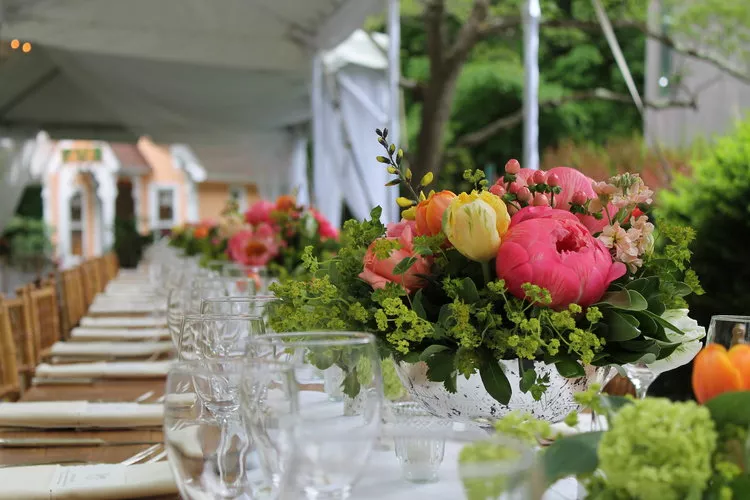
Choose photos that show both macro and micro elements: wide shots of the space and tighter views of details like name cards, lighting accents, or floral styling. This variety shows you understand spatial design, flow, and ambiance. Including flat lays or in-progress images also provides a behind-the-scenes view that many planners overlook.
When organizing your portfolio, use visual storytelling to express your design philosophy. Consider which colors, textures, or layouts you naturally gravitate toward. Grouping projects by tone or client type can help your signature style stand out. Thoughtful, cohesive design choices elevate the overall impact of your work.
Avoid over-editing or filters that distort reality. Clients want to see the kind of execution they can trust you to replicate. Authentic imagery speaks volumes about your taste and your standards.
Incorporating Testimonials and Metrics That Matter
While visuals create emotional appeal, numbers and testimonials lend credibility. A coordination portfolio that pairs stunning imagery with measurable outcomes immediately builds trust with prospective clients or collaborators. The goal is not to brag; it’s to show that your work makes an impact.
Testimonials are most powerful when they speak to your responsiveness, professionalism, and ability to deliver under real-world conditions. Ask past clients to comment on your communication, preparedness, and calming presence. These soft skills often outweigh aesthetics in client decision-making.
If you’ve coordinated events with specific goals such as attendance, revenue, or engagement, include that data where possible. Demonstrating that an event drew 400 guests or generated a 90% RSVP rate highlights your ability to contribute to client success. Event coordination isn’t just logistics; it’s part of a larger strategy.
Client feedback can also reveal your growth over time. Including a short reflection alongside a testimonial shows that you value collaboration and are committed to continual improvement. Recognizing your role within a team highlights both professionalism and a collaborative mindset—essential qualities in successful event coordination.
When used sparingly and strategically, metrics add depth to your coordination portfolio without making it feel like a sales pitch. Instead, they anchor your creative work in outcomes that matter.
Turning Reflection Into Coordination Portfolio Differentiation
Your coordination portfolio is more than a highlight reel. It’s a mirror for your learning, growth, and creative voice. Reflecting honestly on what you’ve done and how you’ve improved allows you to differentiate without trying too hard. Clients want to work with people who are self-aware, committed, and always learning.
Use captions or short case studies to identify what you’d repeat, change, or enhance. That doesn’t show weakness; it shows maturity. For instance, noting that a past setup taught you the importance of guest flow or vendor access paints you as someone who learns on the job.

This reflective layer also helps you hone your niche. Do you thrive in short timelines? Are you known for making complex timelines feel smooth? Leaning into these areas will help your portfolio speak directly to the clients or employers you want most.
Professional consultations and peer feedback can also help you refine how you present your work. Engaging with other professionals often brings fresh perspectives that improve your own lens. Sometimes, the best way to articulate your value is to first see it through someone else’s eyes.
Reflection transforms a basic coordination portfolio into a confident narrative. It’s the difference between showcasing events and demonstrating leadership.
Growing Your Coordination Portfolio With Mentorship and Collaboration
Portfolios don’t grow in isolation. The strongest coordination portfolios are shaped within collaborative environments that challenge you to think creatively, stretch your skills, and contribute meaningfully. Whether you’re observing production systems, stepping into a lead role, or refining your approach alongside seasoned professionals, each opportunity helps build a deeper, more confident showcase of your capabilities.
Every planner’s journey deserves a well-curated platform to evolve. At Copper Cricket, we support emerging talent by modeling portfolio-worthy projects and offering mentorship within our collaborative teams. Explore how your coordination portfolio could grow with us—surrounded by expertise, intention, and opportunities to shine.
