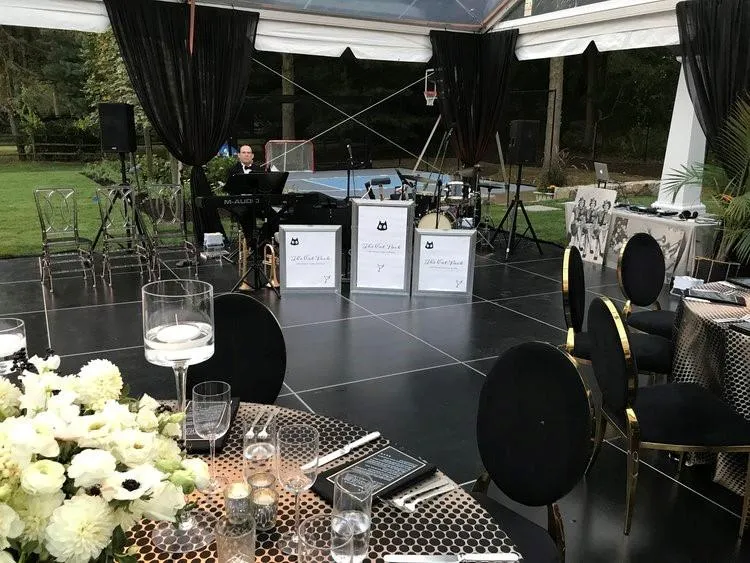
Words Matter: Using Typography in Event Design
Typography plays a powerful yet often understated role in event design. Fonts, letterforms, and layout choices subtly influence tone, mood, and guest perception from the moment they arrive. From invitations and signage to menus and backdrops, every typographic decision contributes to the narrative. Understanding how to leverage typography allows event professionals to communicate more intentionally through design.
When used thoughtfully, typography can reinforce an event's visual identity and strengthen the emotional response of attendees. Elegant serif fonts elevate a formal gala, while playful sans serifs suit relaxed celebrations. Font size, weight, spacing, and hierarchy also shape how information is consumed during an event. Great typography never shouts for attention but aligns seamlessly with the overall design intention.
The Emotional Influence of Typography in Event Design
Typography subtly evokes emotion, shaping the guest experience before a word is read aloud. Clean, minimal fonts create a sense of calm and order in modern event design. Script fonts with sweeping strokes suggest romance, making them ideal for weddings and intimate gatherings. Handwritten styles can evoke a sense of personal nostalgia or whimsy, depending on the setting.
Each font family has its character that can influence how the audience perceives design elements. A slab serif font might bring vintage flair to a heritage-inspired dinner party or anniversary. Thin, high-contrast fonts project elegance, commonly used for black-tie events or high-end product launches. Consistency across event materials ensures guests experience a clear, unified atmosphere.

The emotional tone should always align with the story being told through the design. A whimsical garden party can use flowing type with floral flourishes that echo the environment. A tech-focused corporate event benefits from geometric, modern fonts that suggest innovation and precision. Typography, when appropriately matched with the concept, becomes a functional extension of the event’s theme.
Avoiding mismatched typography is as important as choosing the right one. A rustic-style wedding invitation in a stark, modern font can confuse the guests’ expectations. Fonts must work in harmony with color palettes, textures, and layouts. Effective event design depends on every visual choice reinforcing the intended ambiance.
Hierarchy and Readability in Signage and Print Materials
Good event design prioritizes readability across all printed and digital materials, starting with typographic hierarchy. Headings should command attention through increased size, weight, or stylization without sacrificing legibility. Supporting text requires enough contrast and spacing to remain easy to read in varied lighting conditions. A clear hierarchy allows guests to navigate spaces and understand key messages instantly.
Font pairings play a critical role in achieving hierarchy across an event’s materials. A serif headline paired with a sans-serif body text creates balance while distinguishing between informational levels. Using size alone does not make enough visual difference; weight and spacing adjustments often enhance clarity. Professionals must test their layout on actual signage sizes to verify readability from a distance.
Event signage often competes with visual distractions, so typographic clarity becomes essential. Wayfinding signs, menus, programs, and name cards should feel cohesive while remaining practical. Guests feel more comfortable when visual communication flows seamlessly from one point to another. Disorganized or overly stylized type can frustrate users, disrupting the intended experience.
Avoid overcrowding event signage with too many font styles or decorative elements. Clean, consistent formatting allows guests to focus on the event rather than deciphering complicated visuals. Simplicity in typography reflects confidence in design and respect for the attendee’s experience. When done well, typography quietly supports every moment of the event without drawing attention to itself.
Matching Typography to Theme and Venue
Typography must align with the event theme and venue architecture to feel fully integrated. A formal ballroom wedding with crystal chandeliers calls for refined typography that echoes the space’s grandeur. Art Deco fonts complement vintage venues with a historic flair, while contemporary lofts support sleek, minimalist typefaces. Event design succeeds when every detail, including font choice, reflects the environment and occasion.
Seasonal themes can also influence typographic direction. A winter celebration may incorporate elegant, icy lettering, while a spring gathering favors airy fonts with botanical flourishes. Destination events benefit from regional design cues, using typography to evoke local traditions or architectural details. Typography becomes part of the storytelling, reinforcing both visual and cultural context.

Corporate events often require strict adherence to brand guidelines, where type selection supports business objectives and maintains brand consistency. Custom type treatments or event-specific logos extend the visual system while respecting the larger identity. Typography used in product launches or brand activations must communicate authority, innovation, or creativity, depending on the message.
Inconsistency between theme, venue, and typography can create confusion or dilute the intended impact. A playful type choice in a solemn setting feels out of place, undermining the event's tone. Alignment across all elements ensures guests feel immersed in a complete, intentional experience. Great event design pays attention to those subtle typographic cues.
Typography as a Decorative Element in Event Design
Typography can transcend its functional purpose and become an integral part of the decor and immersive event design. Oversized calligraphy installations or LED word walls can serve as statement pieces within the visual landscape. Custom monograms or typographic patterns on dance floors, linens, or backdrops infuse personality into the design, making the font choice both aesthetic and emotional.
Incorporating words into the environment allows messaging to feel integrated rather than separate from the experience. Poetry on menus, inspirational quotes on signage, or hand-lettered escort displays deepen storytelling opportunities. Guests connect more deeply when they feel the text contributes meaningfully to the atmosphere. Event design is elevated when typography becomes an integral part of the experience rather than just conveying information.
Typography also allows design professionals to play with scale, material, and placement. Mirrored letters floating above a bar or laser-cut signs suspended among florals turn simple words into immersive decor. Choosing the right materials—like acrylic, wood, or neon—reinforces the tone while enhancing the visual impact. Typography becomes both narrative and texture.
For events with strong creative direction, every typographic installation must feel intentional. Throwaway fonts or haphazard styling can quickly diminish a carefully curated setting. Collaborating with calligraphers, graphic designers, or signage vendors ensures professional execution. Typography used in this way becomes both a design detail and an emotional anchor.
Use Fantastic Typography for Your Events
Great event design considers every detail—including typography—as an essential part of the story. Fonts and layout choices influence emotion, readability, and guest experience across every stage of an event. Our team approaches each project with a design-first mindset, ensuring the cohesive and intentional use of type throughout. Let Copper Cricket Events help you bring your vision to life with event design rooted in meaning and crafted with purpose. Contact us today to discover how we can assist you.
