
Urgent Event Feedback Collection: Real-Time Insights for Rapid Improvement
Delivering flawless events requires more than beautiful design and seamless logistics—it demands continuous learning and agile problem-solving. Event feedback serves as the critical bridge between expectation and execution, offering real-time insights that help fine-tune every detail. Planners who harness immediate feedback can adapt on the fly, address guest concerns, and elevate the overall experience. Without a structured system to capture feedback quickly, minor issues risk snowballing into larger problems before the event even ends.
The Critical Role of Event Feedback in Live Experiences
Event feedback serves as a mirror, reflecting guest satisfaction, vendor performance, and logistical effectiveness in real-time. Immediate insights allow planners to identify areas that require quick fixes before minor inconveniences escalate. Whether it’s temperature complaints, audio issues, or flow bottlenecks, knowing right away allows for on-the-spot resolutions. Feedback during the event fosters a proactive rather than reactive approach.
Guests feel heard and valued when planners respond promptly to concerns, thereby strengthening their overall experience. Small changes, such as adjusting seating, refreshing catering stations, or addressing crowding, can instantly improve guest comfort. Feedback also validates whether design elements are resonating or need subtle enhancements. An immersive experience depends as much on aesthetics as it does on guest comfort and satisfaction.
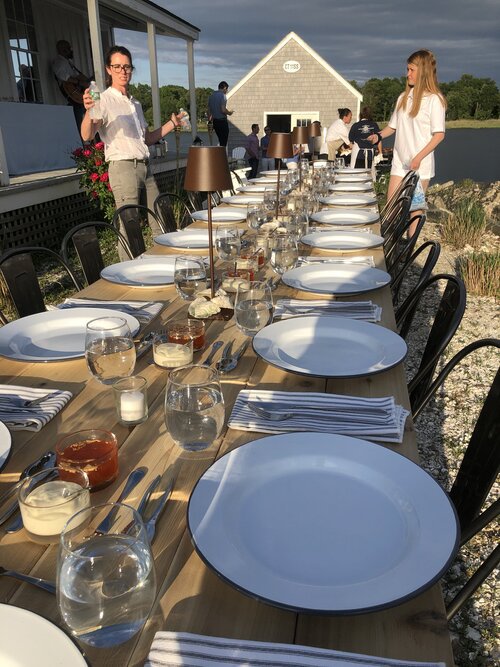
Vendors play a crucial role in the success of any event, and real-time feedback keeps everyone accountable. Identifying if a catering station is running low, a lighting cue has misfired, or a DJ’s sound balance is off ensures flawless execution. Without that immediate loop, vendors might remain unaware of issues until it’s too late to fix them. Maintaining that channel allows both planners and vendors to deliver peak performance together.
Event feedback also directly influences the emotional tone of the gathering. When guests notice adjustments being made based on their concerns, they feel a stronger connection to the experience. Satisfied guests engage more, enjoy longer, and contribute to an event’s energy. Feedback becomes both a quality control tool and a relationship-building strategy.
Tools and Techniques for Capturing Real-Time Feedback
Implementing effective event feedback systems starts with choosing the right tools tailored to each event’s nature. QR code surveys placed at key locations offer discreet, immediate feedback without disrupting the flow. Planners can also deploy live polling tools through event apps to gauge crowd sentiment during speeches or activities. For more personalized feedback, roving staff members can engage with guests and collect observations directly.
Event staff serve as vital eyes and ears during live experiences, gathering both verbal and nonverbal feedback. Body language, engagement levels, and even facial expressions provide powerful, immediate cues about guest satisfaction.
Empowering staff to report concerns through internal communication apps ensures a quick relay of issues to the control team. Well-trained staff become an extension of the feedback loop, offering perspectives that technology might miss.
Vendor check-ins represent another underutilized yet crucial source of feedback. Regular touchpoints throughout the event with florists, caterers, entertainers, and AV crews help identify challenges before they become visible to guests. Vendors appreciate proactive communication, and their operational insights often reveal issues that are invisible from the guest's perspective. Closing that loop elevates both service delivery and collaborative problem-solving.
Turning Immediate Feedback into Instant Improvements
Collecting event feedback holds little value unless it translates into immediate action. An established chain of command during the event ensures issues are directed to the right team members quickly. For example, catering concerns are directed to the lead chef, while lighting problems are referred to the AV coordinator. A clear delegation system allows fixes to happen within minutes, not hours.
Prioritizing feedback based on severity and impact prevents overwhelm during fast-paced events. Comfort issues, such as overcrowding or a lack of seating, demand a quicker resolution than aesthetic concerns. Having contingency plans in place, such as backup seating or alternate activity areas, enables planners to respond swiftly. Flexibility combined with readiness is the hallmark of successful problem-solving.

Effective communication between the planning team, vendors, and staff becomes the backbone of a quick response. Utilizing radios, messaging apps, or centralized dashboards allows for real-time issue tracking and resolution. Teams that communicate openly can adjust timelines, swap resources, or escalate tasks without guest disruption. Strong communication transforms feedback into seamless execution.
Post-resolution follow-up further enhances the guest experience. Checking back with guests who raised concerns ensures the solution met their needs and reinforces attentiveness. A simple “Thank you for letting us know” turns a potential frustration into a memorable, positive interaction. Feedback doesn’t just solve problems—it creates opportunities to delight.
Leveraging Feedback for Continuous Improvement Beyond the Event
Event feedback does not end when the last guest leaves—it becomes the blueprint for future excellence. Analyzing real-time feedback alongside post-event surveys highlights patterns that might have gone unnoticed during execution. Whether it’s recurring challenges with crowd flow or consistent praise for specific vendors, patterns guide smarter decisions. Feedback transforms one-time events into learning experiences that refine future planning and decision-making.
Review sessions with the event team and vendors are essential to translate feedback into action. Reviewing wins and pain points helps the team develop more effective protocols, design better layouts, and establish stronger vendor partnerships for future events. Vendors also benefit from understanding what worked and what needs adjustment, strengthening long-term collaborations. An event only reaches its full potential when everyone learns from the experience together.
Feedback also plays a direct role in enhancing design decisions. Understanding whether guests feel comfortable with lighting levels, seating arrangements, or spatial flow informs future aesthetic choices. Planners can adjust color palettes, floor plans, or sensory elements based on data-driven insights. Great design merges beauty with comfort, and feedback helps perfect that balance.
For clients, presenting feedback-driven improvements boosts confidence and satisfaction. Clients appreciate knowing their event was treated as a living experience, not a rigid schedule. Demonstrating how challenges are addressed in real-time and how learnings are integrated into future plans enhances trust. Feedback becomes an integral part of the planner’s value proposition, reinforcing their expertise and care.
Optimize Your Event Experience with Expert Feedback Strategies
Event feedback is more than a tool—it’s the engine behind flawless, responsive, and guest-centered experiences. Mastering real-time insights allows planners to resolve issues swiftly, enhance guest comfort, and deliver truly personalized events.
Whether through technology, staff engagement, or vendor collaboration, the ability to adapt quickly defines event success. If you’re ready to experience an event where every detail reflects your vision and guest satisfaction is paramount, partner with Copper Cricket to bring that vision to life.
