
Tech-Savvy Planning: Leveraging Technology in Event Planning
Event planning continues to evolve as technology transforms the way celebrations are designed, managed, and experienced. With the right digital tools, planners can streamline coordination, bring creative visions to life, and elevate every detail from start to finish. Through thoughtful integration, technology enhances the process while keeping the heart of human connection intact.
Modern innovations have made event planning more intuitive than ever. Collaborative platforms, digital design resources, and data-driven insights are allowing planners to blend efficiency with imagination. As a result, events today are not only smoother to organize but also more immersive and memorable for guests.
How Is Technology Redefining Event Planning Today?
Technology is transforming event planning by simplifying workflows, enhancing collaboration, and creating space for creativity to thrive. Smart tools streamline communication between planners, clients, and vendors, ensuring that every step of the process stays transparent and efficient. As a result, events come together with less stress and greater precision.
How Do Project Management Apps Simplify Collaboration?
Collaboration is at the core of successful event planning, and project management apps make it effortless. Tools like Asana, Trello, and Monday.com allow planners, vendors, and clients to track progress in real time. Through shared timelines, file storage, and task lists, everyone stays informed and aligned.
These platforms eliminate the guesswork often associated with large-scale coordination. Instead of sorting through endless email chains, updates are centralized for easy access. This organization ensures deadlines are met while maintaining clarity across all contributors.

Incorporating technology in event planning also supports transparency. Clients can view updates, share feedback, and see their event come together step by step. This open communication fosters trust and strengthens the collaborative process.
Ultimately, project management apps save time and reduce stress, allowing teams to focus more on creativity. They create structure around planning so that every detail, big or small, receives the attention it deserves.
How Do Digital Design Boards Enhance Visual Clarity?
Visual clarity brings imagination to life, and digital design boards have become an essential tool for modern event planning. Platforms like Canva and Milanote allow for mood boards that convey color palettes, floral inspirations, and table settings with precision. With these visual aids, clients can easily picture how the event will unfold.
Using digital boards encourages collaboration during the creative process. Planners can instantly share updates or adjust designs based on feedback, ensuring a unified vision. This real-time adaptability keeps the design phase exciting and efficient.
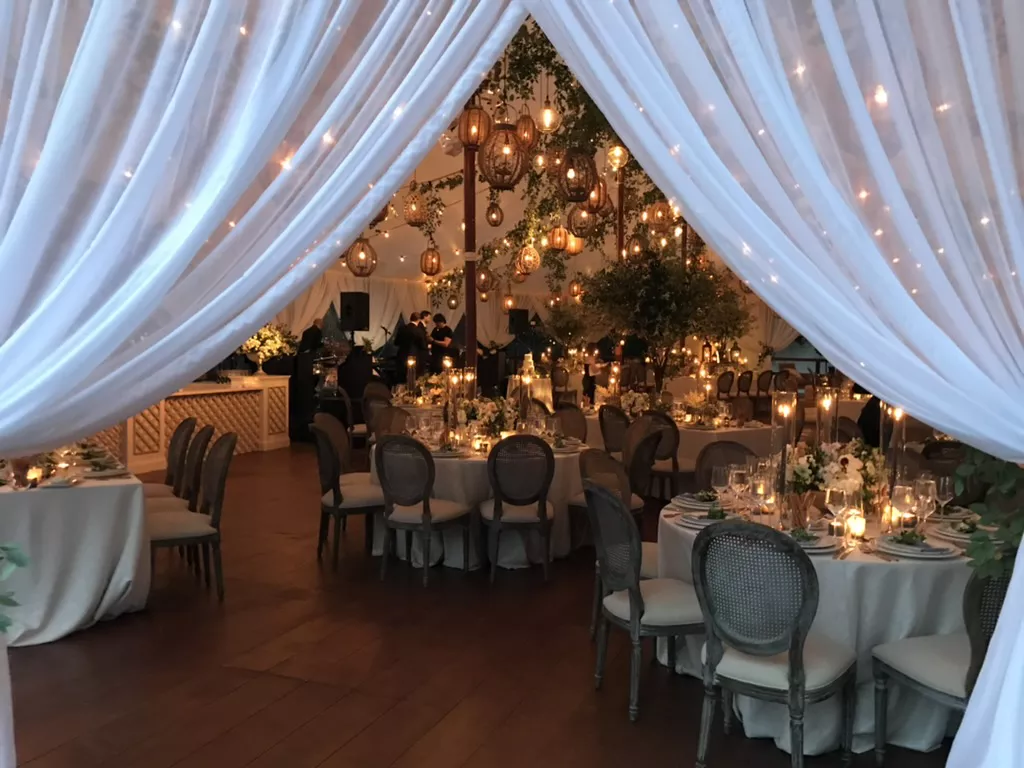
Lighting design plays a defining role in shaping the event atmosphere. Visual elements like light and texture influence mood, depth, and connection throughout the space. Digital tools make it easier to experiment with these elements before finalizing the setup, creating cohesive and intentional designs that feel both personal and balanced.
Through these visual systems, technology helps bridge imagination with reality. Each design choice becomes deliberate, creating a seamless transition from concept to celebration.
How Can Guest Management Systems Simplify the Experience?
Managing guests efficiently ensures a smooth and enjoyable event planning experience. Online RSVP systems and guest management tools help track attendance, dietary preferences, and seating arrangements with ease. These platforms reduce manual work while keeping details organized in one accessible place.
Guest management systems simplify the experience in several meaningful ways:
Centralizing guest information: All details, from RSVPs to meal preferences, are stored in one place for quick reference.
Automating updates: Real-time notifications keep planners informed of changes, helping avoid last-minute confusion.
Enhancing communication: Integrated email reminders and personalized portals ensure guests stay informed and engaged.
Streamlining logistics: Seating charts, name cards, and check-in lists can be managed digitally for smoother event flow.
Improving overall guest satisfaction: With efficient systems in place, guests enjoy a seamless experience from invitation to farewell.
By embracing these tools, planners create a more polished experience for both hosts and guests. Every interaction feels coordinated, intentional, and stress-free.
Why Are Hybrid Events Expanding Engagement?
Hybrid events combine physical and virtual participation, offering flexibility and inclusivity in event planning. They allow guests who cannot attend in person to still experience the celebration in meaningful ways. This approach widens reach and engagement, making events more accessible to diverse audiences.
Integrating virtual and hybrid elements enhances creativity and connection in modern events. With the right technology, planners can blend live experiences with digital storytelling to keep every guest engaged. The result is an event that feels both intimate and expansive, bridging audiences across spaces with ease.
Planners can also use hybrid formats to build interactive experiences through live chat, streaming, or shared photo galleries. These features deepen the sense of inclusion among guests regardless of location.
As technology continues to evolve, hybrid events will remain a key part of modern event planning. They represent a balance between innovation and togetherness that resonates with today’s attendees.
What Role Do Analytics Tools Play in Measuring Success?
Understanding event planning success requires more than visual impact. It demands data. Analytics tools help planners measure engagement, attendance, and post-event feedback. By analyzing this information, planners can refine future strategies and enhance guest satisfaction.
Analytics tools play several key roles in measuring event success:
Tracking engagement: They capture how guests interact with activities, content, and experiences throughout an event.
Monitoring attendance: Tools record attendance rates, participation levels, and check-in data to assess event reach and efficiency.
Gathering feedback: Surveys and post-event forms collect direct input from guests, revealing what worked well and what can improve.
Evaluating ROI: By comparing budget and outcome data, analytics provide insight into cost-effectiveness and audience value.
Supporting consultation for creative solutions: Data-driven insights guide planners during creative consultations, helping shape innovative concepts that resonate deeply with attendees.
When combined with creativity, data transforms how events are planned and experienced. It ensures each celebration evolves based on genuine insight and guest experience.
The Future of Event Planning: Blending Innovation With Heart
The evolution of event planning is not just about adopting technology but using it with intention. Thoughtful planners harness innovation to simplify logistics and deepen emotional connection. The result is a process that feels both efficient and deeply personal.
Technology continues to unlock new ways to collaborate, design, and measure impact. When balanced with creativity and care, it enhances rather than replaces the human touch. Copper Cricket embraces this harmony by using technology to bring beauty, structure, and imagination together. Let the team combine innovation and artistry to create an event that is as seamless as it is extraordinary.
