Seasonal Inspirations: Decorating Events with Seasonal Themes
Designing around seasonal themes allows event planners to align natural elements with meaningful visual storytelling. Every season offers a distinct palette, texture, and energy that can guide a comprehensive event aesthetic. When expertly curated, seasonal details go beyond decor and create an immersive experience for every guest. Understanding how to translate the mood of a season into a celebration leads to memorable, sensory-rich environments.
Seasonal inspiration allows event design to remain fresh while celebrating moments within their natural time and place. A successful seasonal design reflects the energy of the moment while also honoring the event's purpose. Thoughtful use of seasonality creates deep connections between guests and the setting. Professionals must go beyond clichés to craft environments that resonate with subtlety and sophistication.
Spring: Seasonal Themes of Renewal and Fresh Energy
Spring invites lightness, renewal, and a return to natural beauty after the dormancy of winter. Blossoms, greenery, and soft colors all lend themselves to event designs that celebrate growth, beginnings, and optimism. Incorporating seasonal blooms, such as tulips, peonies, and lilacs, introduces fragrance and movement into the decor. Lightweight fabrics and sheer textures reinforce the season's open, airy quality.
Pastels often form the base of spring palettes, but nuanced applications can feel modern and refined. Pairing blush with sage or dusty blue with ivory adds dimension without veering into overly sweet tones. Floral installations suspended above tables or entryways create visual interest while evoking garden-like freshness. Seating lounges layered with linen and rattan contribute softness and comfort.
Menus can mirror the season through lighter fare such as spring vegetables, herbs, and edible flowers. Serving cocktails infused with lavender or elderflower complements the floral environment. Seasonal themes extend to tabletop design with hand-painted plates, watercolor menus, or pressed flower escort cards. Every layer can evoke the joy and delicacy of spring without relying on prominent motifs.
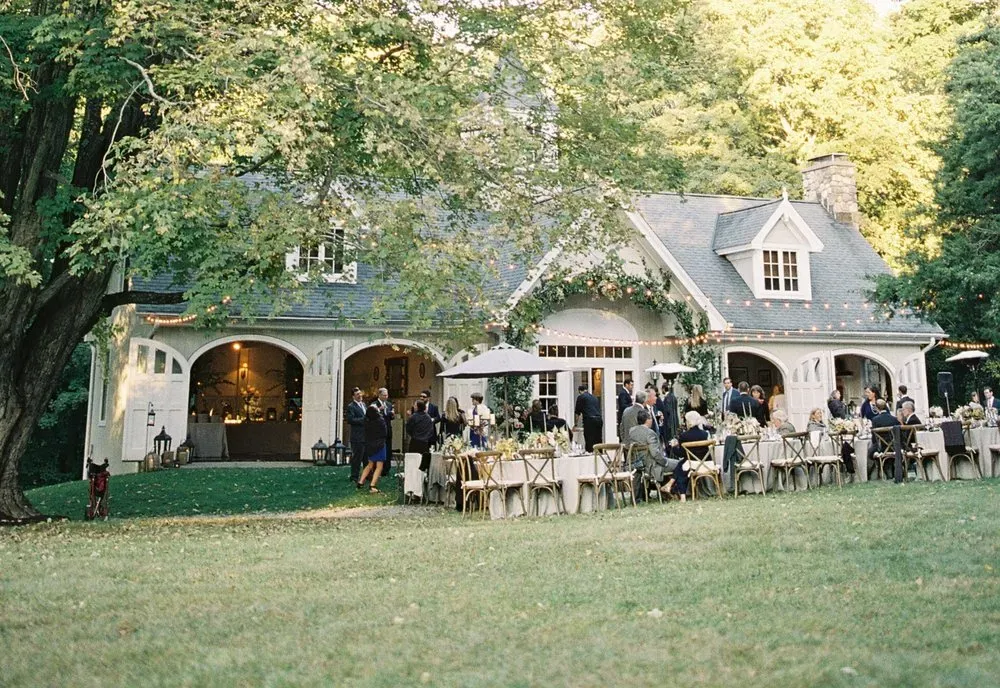
Spring events benefit from venues with abundant natural light or outdoor access. Garden estates, greenhouses, and open-air courtyards enhance the seasonal mood and encourage interaction with nature. Lighting should remain soft and diffused to maintain the season’s inherent gentleness. Careful consideration ensures the spring theme enhances rather than overwhelms the experience.
Summer: Bold Statements and Vibrant Celebrations
Summer events radiate confidence, color, and energy. Warm weather and long days offer more flexibility in venue selection, allowing for beachside celebrations, vineyard weddings, or rooftop soirées. Seasonal themes in summer often include lush florals, tropical greenery, and saturated colors like coral, turquoise, or citrus tones. Creative planners use these elements to construct vibrant, joyful settings full of sensory appeal.
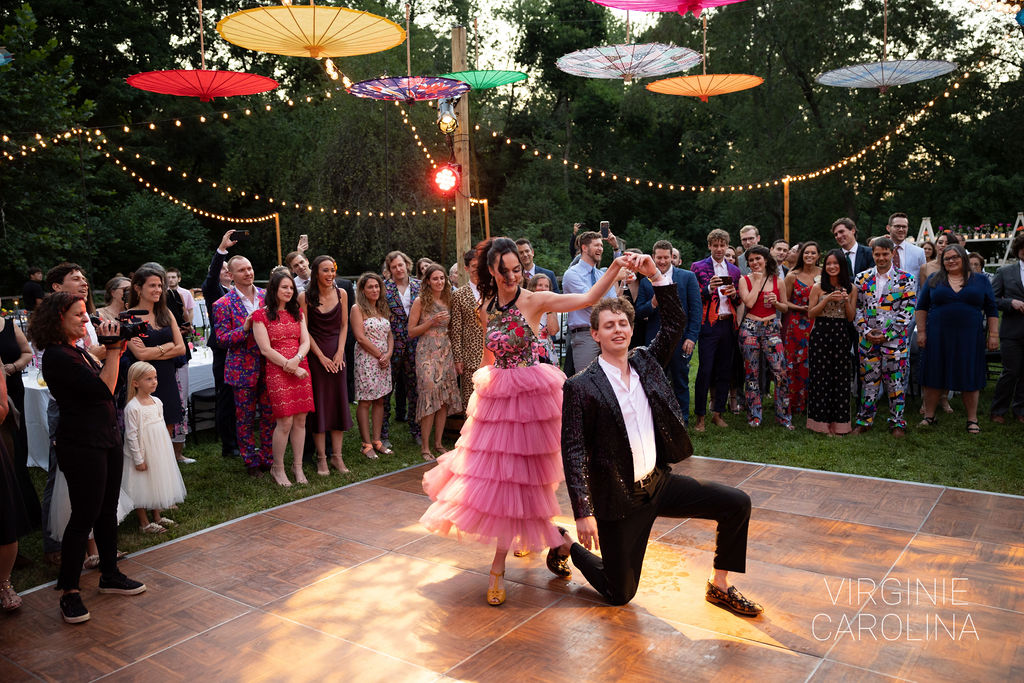
Outdoor summer celebrations provide opportunities for immersive experiences that utilize natural surroundings. Tablescapes can incorporate seashells, citrus branches, or bright textiles to reflect a specific regional influence. Bamboo or woven chargers and colorful glassware add texture and visual interest. Bright signage, parasols, or lounge vignettes complete the picture without veering into kitsch.
Food and drink elevate the summer theme when rooted in freshness and regionality. Consider grilled fruits, ceviche bars, or hand-rolled tacos paired with infused margaritas for a dynamic presentation. Seasonal herbs, such as basil or mint, can be used to garnish drinks or flavor courses, reinforcing the sensory experience. Creative presentations, such as interactive stations or tropical-themed grazing tables, further engage the senses.
Summer design should strike a balance between visual intensity and thoughtful pacing. Cooler lounge areas, shade structures, or hydrating elements like fruit-infused water reflect hospitality in hot weather. Lighting transitions from daylight to sunset to candlelight, supporting the event's natural rhythm. Attention to flow ensures guests stay comfortable while enjoying the full seasonal impact.
Autumn Seasonal Themes: Texture, Warmth, and Earthy Elegance
Autumn lends itself naturally to rich, grounded event design marked by warmth and texture. Seasonal themes often incorporate tones like rust, ochre, forest green, and plum to evoke a sense of comfort: velvet textiles, aged wood, and candlelight layer depth and intimacy into fall environments. Designers often lean into nature-inspired motifs without becoming rustic or overly casual.
Floral choices for fall include dahlias, chrysanthemums, and amaranthus, often paired with branches, berries, or dried grasses. Centerpieces can lean lush and sculptural, anchoring tables with organic weight. Pumpkin and gourd elements should be used sparingly and artfully, steering clear of traditional harvest tropes. Table linens in wool, suede, or richly dyed cotton add texture and reinforce color stories.

Autumn menus embrace earthiness through roasted vegetables, spiced desserts, and bold red wines. Plated dinners featuring seasonal produce, such as squash, mushrooms, and figs, feel intentional and immersive. Drinks may include cider-based cocktails, bourbon infusions, or chai garnishes to mirror seasonal shifts. Dining experiences become part of the seasonal story through scent, color, and composition.
Venue selection in autumn often focuses on interiors with warm architectural details such as stone fireplaces, dark woods, or exposed beams. Lighting design enhances ambiance with amber uplighting, tapered candles, or Edison bulbs. Incorporating natural elements like dried foliage installations or textured linens keeps the tone elevated and cohesive. Autumn themes succeed when comfort, elegance, and narrative blend seamlessly.
Winter: Elegance, Drama, and Intimate Impact
Winter invites event planners to explore deeper tones, dramatic lighting, and cozy intimacy. Seasonal themes often center around textures such as velvet, fur, and metallics to create tactile luxury. Color palettes tend toward jewel tones, black and white, or icy blues depending on mood and occasion. When balanced correctly, winter design achieves a powerful sense of drama without sacrificing warmth.
Lighting assumes greater importance in winter design to counterbalance the shorter days and dimmer environments. Candlelight, uplighting, and reflective surfaces enhance the atmosphere and provide visual comfort. Mirrors, crystal chandeliers, or snow-inspired accents lend sophistication without being overly literal. Layering soft textiles and ambient lighting creates a sense of intimacy, especially in large venues.
Floral arrangements in winter often include white anemones, roses, amaryllis, or evergreens combined with berries and dried elements. Arrangement vessels might include matte ceramics, antique silver, or frosted glass. Centerpieces should provide depth and visual interest with contrasting heights and textures. Tabletop accessories, such as velvet runners or metallic chargers, emphasize richness and tone.
Menus feature hearty comfort foods, such as braised meats, root vegetables, and decadent desserts. Drinks feature warming notes—mulled wine, hot toddies, or spiced cocktails presented with flair. Personalized details, like hand-calligraphed menus or embossed napkins, elevate the presentation. Winter events find their strength in creating lush, immersive environments that feel both elegant and enveloping.
Blending Seasons for Transitional or Thematic Events
Some celebrations take place during transitional months, requiring a blended approach to seasonal themes. Late September weddings may incorporate the richness of fall with lingering warmth and greenery from summer. Similarly, early spring events may reflect winter’s structure softened with fresh blooms. Layering seasonal motifs allows event design to reflect nature’s in-between state without feeling conflicted.
Transitional themes benefit from more abstract interpretations rather than strict seasonal palettes. A September event might combine sunlit florals with golden velvet linens to bridge the transition from summer to fall. Spring celebrations near March may include bare branches, soft lighting, and early blossoms as a nod to the season’s shift. These events require a nuanced understanding of timing and temperature.
Venue selection plays a crucial role in successfully blending seasonal themes. A greenhouse might suit both early spring and late winter events, allowing light to filter through while controlling temperature. Tent structures with open sides allow natural airflow in shoulder seasons without compromising design elements. Planning for weather shifts ensures guest comfort while maintaining visual coherence.
Color theory and layering techniques support effective seasonal blending. Incorporating neutrals like sand, taupe, or greige provides a flexible base for both cool and warm tones. Designers should avoid mixing seasonal icons and instead focus on texture, mood, and material. Transitional designs excel when they suggest a moment in flux, rather than forcing opposing elements to coexist.
Celebrate The Seasons with Seasonal Themes
Elegant, immersive event design begins with honoring the rhythms of the natural world. Whether celebrating spring's freshness, summer's vibrancy, autumn's richness, or winter's elegance, seasonal themes allow your story to resonate deeply. Our team curates every detail with intention, tailoring decor, palette, and mood to reflect your unique vision. Partner with Copper Cricket Events to create a seasonal event experience that feels beautifully timeless.
