Last-Minute Event Photography Tips To Get Picture-Perfect Shots
Event photography holds the power to capture the story, emotion, and energy behind every beautifully curated event. Even with the most flawless design and execution, poorly planned photography can result in missed moments and underwhelming memories. Event planners often find themselves troubleshooting last-minute changes, including photography challenges like unexpected weather, late photographers, or shifting schedules. Knowing how to pivot quickly ensures the photography remains as polished as the event itself.
Preparing the Space for Flawless Event Photography
Creating a photo-ready space begins with intentional design that strikes a balance between beauty and practicality. Cluttered setups, distracting backgrounds, or poorly lit corners diminish the quality of final photos. A quick walkthrough before guests arrive helps spot potential problem areas that require tidying, repositioning, or styling tweaks. Prioritizing symmetry, clean lines, and depth enhances every frame a photographer captures.
Natural light serves as one of the most potent tools in event photography. Maximizing window exposure or adjusting sheer curtains provides soft, flattering light for portraits and details. When natural light is unavailable, adding floor lamps or LED panels enhances visibility without altering the ambiance. Thoughtful lighting adjustments dramatically elevate the richness and warmth of every image.
Removing unnecessary signage, storage bins, or vendor equipment from key photo zones preserves the visual integrity of shots. Detailed areas, such as dessert tables, guest books, and seating charts, deserve extra attention to ensure they look polished from every angle. Clean surroundings allow the photographer to focus on capturing the beauty without needing to edit out distractions later.
Test shots taken with a smartphone provide a fast and effective way to assess lighting, composition, and backdrop quality. Walking through the space with a photographer or even solo ensures nothing looks awkward in the frame. Adjustments, such as shifting furniture or adding decorative elements, often transform mediocre spaces into magazine-worthy backdrops. Being proactive guarantees every area feels intentional and photo-ready.
Coordinating With the Photographer on the Fly
When photographers arrive with limited time, establishing immediate communication is critical. A fast but thorough walkthrough of the venue highlights priority photo spots and any special client requests. Discussing lighting conditions, event flow, and key participants ensures the photographer feels aligned with the planner’s vision. Strong collaboration at the start avoids miscommunication later.
Providing an updated timeline, especially if last-minute shifts occurred, allows the photographer to adjust their shooting plan effectively. Knowing when speeches, special dances, or key reveals are happening lets them position themselves appropriately. Sudden timeline changes require quick synchronization to avoid missed moments. Clear communication turns chaos into coordination.
Highlighting VIP guests or must-capture groups supports efficient photography. Identify family members, key executives, and essential speakers in advance to avoid confusion during the event. Introducing them to the photographer when possible speeds up formal shots. Efficiency in group photography prevents delays in the overall event flow.
Encouraging the photographer to scout alternate shooting locations for portraits or candid moments creates flexibility. Whether moving guests outside for golden-hour shots or finding a tucked-away corner for intimate portraits, having backup locations ready saves time and effort. Quick adaptations ensure stunning results even when the original plan shifts.
Solving Last-Minute Lighting Challenges
Sudden changes in weather or venue lighting frequently create problems for event photography. Portable lighting solutions, such as LED panels, bounce boards, or ring lights, become invaluable tools for enhancing shots on the fly. Having backup lighting readily available prevents dark, grainy, or poorly balanced photos. Reliable lighting solutions are a planner’s best defense against unpredictable conditions.
Dimming overhead lights when they cast harsh shadows or unflattering tones improves photo quality. Instead, layering in warm side lighting or uplighting produces a more flattering, even glow. Consulting with both the photographer and AV team facilitates quick adjustments that balance ambiance with function. Beautiful lighting enhances both the guest experience and photography results.
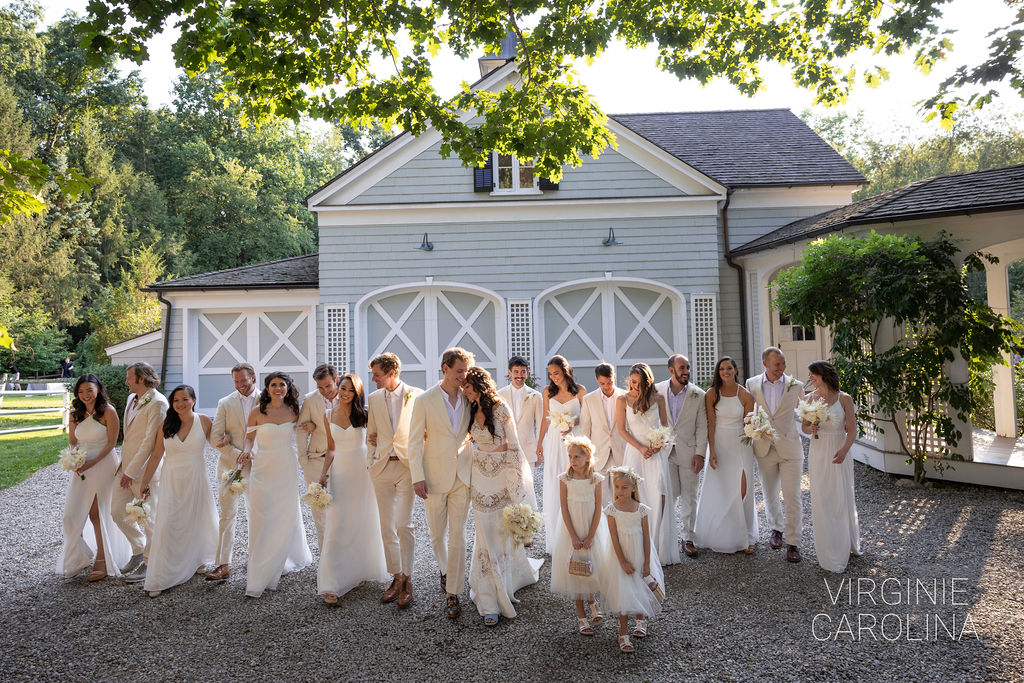
Positioning key photo moments away from direct sunlight avoids harsh highlights and unflattering shadows. If outdoor conditions are too bright, moving ceremonies or portraits into shaded areas provides soft, diffused light. Working with the photographer to identify these spots ensures portraits remain timeless and flattering. Light control becomes one of the most influential factors in professional photography.
Using reflective surfaces, such as whiteboards, foam core panels, or even white linens, helps bounce natural light onto subjects. This quick trick brightens faces, reduces shadows, and enhances clarity without adding extra equipment. Creative light manipulation makes a significant difference when formal lighting setups are unavailable. Simple solutions often yield stunning results.
Managing Candid Moments and Guest Photography
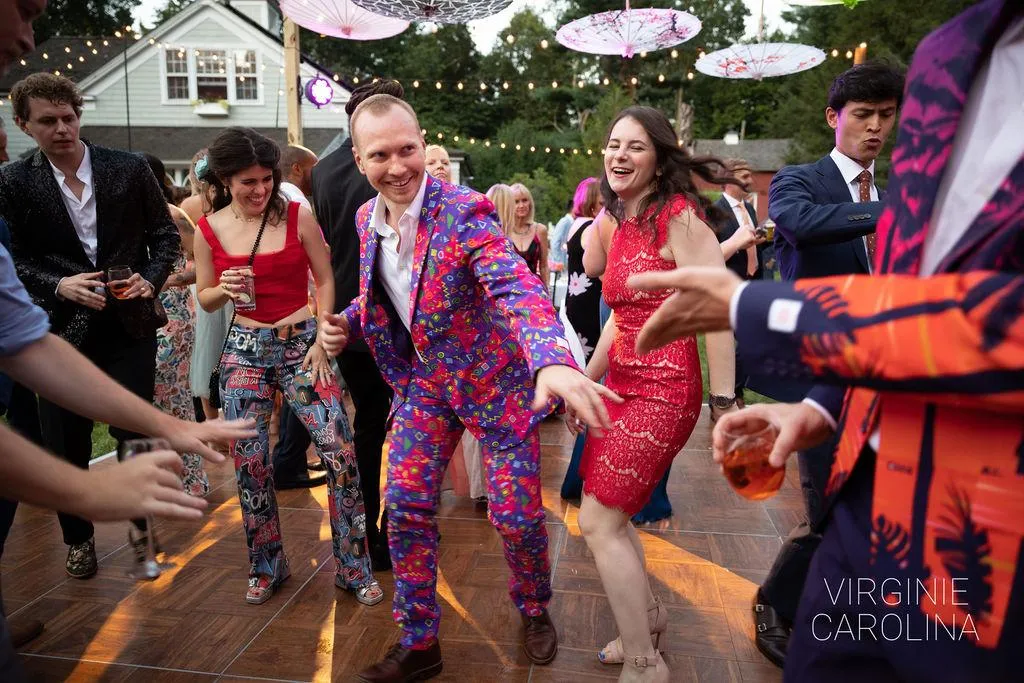
Encouraging natural, candid moments enhances the authenticity of event photography. Guests often need gentle prompting to relax, interact, and forget the camera is there. Coordinating with the photographer to embed within social spaces—rather than lingering on the edges—produces richer, more emotive candid shots. Genuine laughter, spontaneous hugs, and real reactions become the highlights.
Reminding guests during announcements that there will be roaming photography helps ensure their comfort and consent. Some guests appreciate being informed when candid photos are being taken, which reduces awkwardness. A simple heads-up fosters a more cooperative and photo-friendly environment. Respectful communication leads to better guest experiences and better pictures.
Helping the photographer identify high-energy areas—like the dance floor, cocktail lounge, or interactive stations—ensures a steady stream of dynamic photos. These areas naturally produce movement, excitement, and expressions worth capturing. Directing focus toward them increases the volume of engaging, lively shots. Planners serve as valuable guides to the flow of energy within the event.
Addressing guest concerns about privacy or preferred angles quickly ensures a positive experience for everyone. Some guests may request no photos or need special accommodations. Working with the photographer to honor those requests demonstrates respect and professionalism. Balancing guest comfort with comprehensive event coverage is a crucial skill for event planners.
Work With Experts Who Know Event Photography Solutions
Event photography is more than just pointing a camera; it requires thoughtful collaboration, problem-solving, and quick thinking. Whether adjusting lighting, coordinating guests, or creating flawless backdrops, experienced planners ensure every shot reflects the beauty and energy of the day. Protecting the visual story means anticipating challenges and providing creative solutions in real-time when you're ready to work with a team that safeguards every moment, including picture-perfect event photography. Trust Copper Cricket to deliver an event experience as stunning on camera as it is in person.
