
Staying Ahead: Innovations in Event Coordination
Event coordination has always required a balance of vision, structure, and adaptability. Today, as guest expectations rise and technology advances, staying ahead means rethinking how events are planned, managed, and experienced. The most effective planners now blend creativity with cutting-edge tools, transforming logistical precision into memorable moments.
From AI-generated schedules to immersive hybrid formats, modern planning is evolving quickly. Those who embrace these innovations don’t just execute—they elevate. Professionals who stay curious and open to new methods are reshaping what success looks like in every kind of gathering.
Designing Smart Timelines With AI and Automation in Event Coordination
As events grow more complex, tools that automate event coordination are proving essential. AI-powered platforms now help planners create customized schedules, generate run-of-show templates, and flag potential conflicts in real time. With predictive suggestions based on venue type, guest count, and event duration, coordination becomes faster and more accurate.
Beyond scheduling, automation tools streamline vendor communication, budget tracking, and task delegation. This shift reduces manual oversight and frees up energy for creative planning. For multi-day events or programs involving international partners, automation ensures every detail stays aligned across time zones.

In fast-paced environments, adaptability is key. AI-enhanced tools can quickly pivot when plans change, helping planners reallocate resources or redesign guest flow on short notice. Whether it's reassigning a vendor or adjusting lighting cues, innovations in event coordination are making last-minute shifts feel seamless.
Even consultations are being reimagined. Strategic sessions now lead with data and design, enabling planners to offer proactive solutions from the start. These efficiencies don’t just save time; they also elevate the guest experience.
Creating Immersive Guest Experiences With Technology
Today's events are expected to deliver more than beautiful design. They must also create emotional impact. Incorporating technology into guest experiences allows planners to craft interactive moments that surprise and delight. Projection mapping, ambient lighting control, and sensory installations offer new ways to engage attendees throughout an event.
Lighting plays a larger role than most clients anticipate. The right lighting can influence mood, shift energy, and elevate even the simplest setups. Smart lighting systems can be programmed to evolve with the event, guiding transitions from ceremony to dinner to dancing without disrupting the flow.
Wearable tech is also becoming popular for private events and conferences. RFID-enabled badges or wristbands can trigger personalized content or adjust environmental elements like music and temperature. These innovations in event coordination make it possible to tailor moments in real time for each guest.
Virtual and augmented reality are pushing boundaries even further. With AR, guests can interact with digital overlays during gallery walks or product reveals, while VR experiences can transport them to a different location altogether. The goal is not to replace human connection, but to enhance it with thoughtful, well-integrated tech.
Seamlessly Integrating Virtual and Hybrid Elements in Event Coordination
Hybrid formats are no longer a trend. They are a strategic decision that expands access and amplifies reach. Modern event coordination often includes a virtual layer, ensuring guests who can’t attend in person still feel connected. Live-streaming, real-time chat, and interactive polls keep online audiences engaged alongside on-site guests.
Successful hybrid events require more than cameras and internet. They demand production-level planning, coordinated AV teams, and parallel run sheets that serve both audiences equally. Done well, the result is a truly inclusive experience.
Virtual coordination tools are also enhancing internal workflows. Cloud-based platforms allow planners, vendors, and clients to collaborate across locations, reviewing designs, timelines, and deliverables in one central hub. These systems reduce email fatigue and ensure everyone stays on the same page.
Event apps have evolved beyond schedules. They now integrate features like AI-driven matchmaking, personalized agendas, and sustainability tracking. Modern event coordination isn't just about access; it's about providing flexible, enriching experiences for every guest, no matter where they join from.
Navigating Challenges With Resilience and Innovation
Challenges are inevitable, but today's coordinators have more tools than ever to face them with confidence. From weather surprises to vendor delays, technology helps turn problems into opportunities. Scenario-planning software and communication apps allow teams to mobilize quickly and solve issues without disrupting the guest experience.
Resilient planning begins with asking the right questions well before the event. Coordinators who identify potential friction points early can build flexible responses into the plan. This proactive mindset makes it easier to pivot gracefully rather than react under pressure.
Communication is another critical component. With mobile dashboards, integrated chat, and shared platforms, teams can adapt in real time without overloading one another. These systems help everyone stay informed while allowing the event to flow smoothly for guests.
Transparency also improves vendor relationships. Digital tools that include shared checklists, deliverable timelines, and feedback logs help align expectations across the board. When partners know what is needed and when, trust grows and collaboration strengthens.
Ultimately, innovation supports more than logistics. It supports peace of mind. When systems are designed to absorb unexpected changes, event coordination becomes more fluid and less stressful. That kind of confidence allows planners to focus on what truly matters: delivering meaningful, well-executed experiences.
Redefining Global Reach and Local Expertise
Events are no longer confined by geography. International gatherings, destination weddings, and remote team celebrations are increasingly common. To meet these demands, event coordination has evolved into a global discipline that still honors local details.
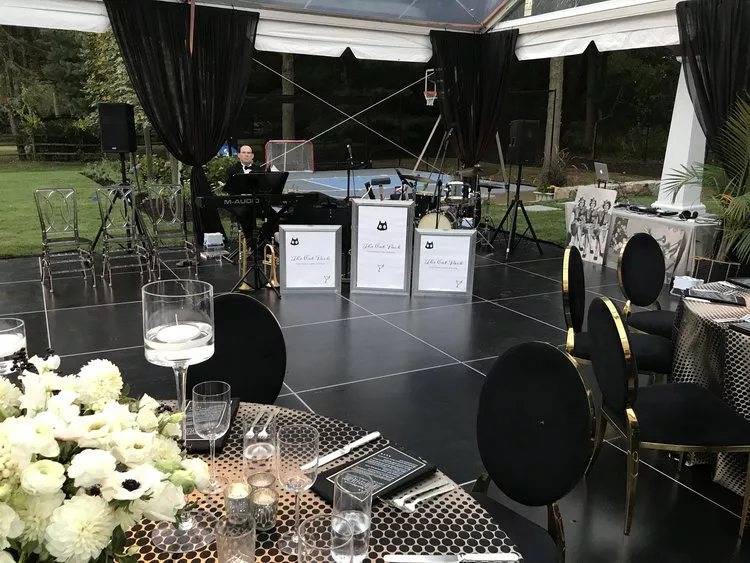
Coordinating across borders requires cultural fluency, multilingual vendors, and knowledge of local permitting laws. It also demands sensitivity to time zones, customs, and communication styles. Skilled planners don’t just navigate these elements; they use them to elevate the event’s authenticity.
Technology bridges much of the logistical gap. From international shipping tracking to digital seating tools that account for regional etiquette, innovation helps global teams work together seamlessly. The key is maintaining consistency while adapting with care.
Even smaller events benefit from global thinking. Inspiration drawn from global trends or sourced from international vendors adds unexpected flair. When paired with local expertise, this approach creates events that feel both worldly and deeply personal.
Innovation Meets Intention in Event Coordination
The future of event coordination belongs to those who can merge bold ideas with seamless logistics. Clients today want more than execution; they want vision. Innovation should not feel showy or excessive, but intentional, adding meaning to every element of the experience.
We don’t just keep up—we help set the pace. In Copper Cricket, innovation isn’t just a tool, it’s part of how we bring stories to life. From tech-forward planning to immersive design, we combine strategy with creativity to make every celebration unforgettable. Let’s partner to explore what’s next, together.
