
Reflecting on Success: The Importance of Event Debriefs
Professional event planning demands more than meticulous preparation—it requires intentional reflection once the event concludes. Event debriefs are the linchpin of continuous improvement, offering a space to analyze what worked and what needs to evolve. When handled with structure and care, they foster internal growth and enhance the client experience—an event’s actual value emerges only after taking the time to assess its execution honestly and in detail.
Every successful gathering offers opportunities to refine logistical systems, vendor collaborations, and guest experiences. Event debriefs empower planning teams to identify strengths while confronting challenges with clarity and purpose. They become critical in upholding service quality across different event types, scales, and locations. Treating each event as a learning opportunity ensures sustained excellence in creative production and operational delivery.
Understanding the Structure of Effective Event Debriefs
Event debriefs require more than casual conversation—they benefit from a structured framework. The process should begin with outlining specific goals defined during the planning phase, allowing the team to compare actual outcomes against original intentions and provide measurable benchmarks for success. Organizing feedback into categories—such as logistics, vendor coordination, guest flow, and design impact—adds clarity.
All team members involved in the event must contribute their unique perspectives. Coordinators may highlight issues that designers may not see, while logistics leads can share insights about timing and vendor readiness. When each role is acknowledged, the full scope of the event’s dynamics emerges with greater transparency. Encouraging honesty and objectivity supports a culture of growth and creative accountability.
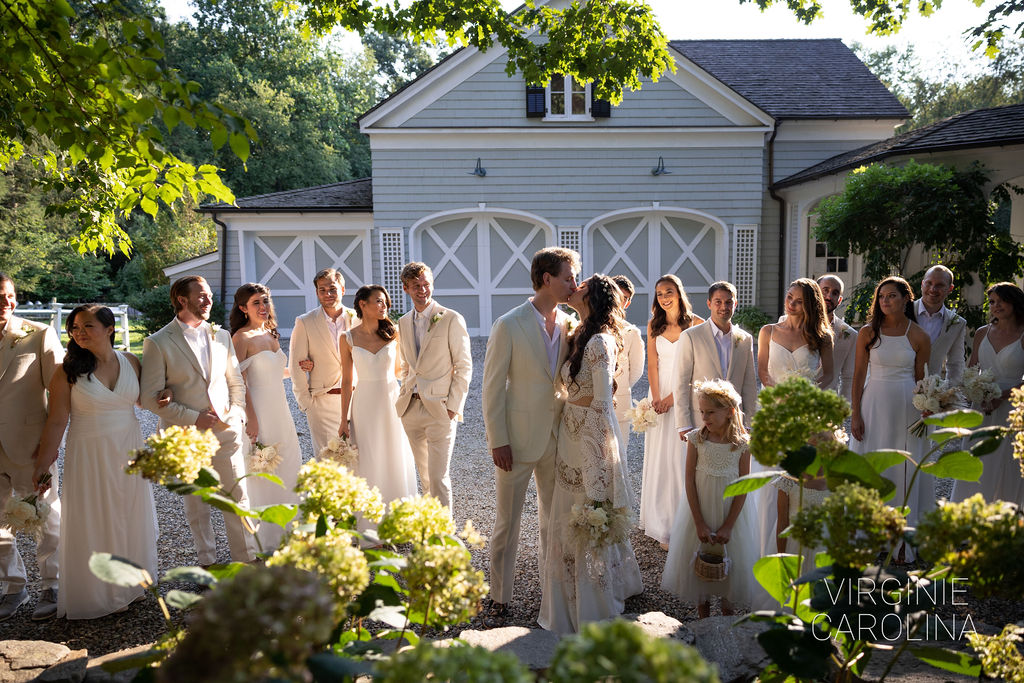
Debriefs should always strike a balance between constructive critique and celebration. Recognizing moments of excellence motivates staff and reinforces confidence in the planning process. Celebratory insights also guide replicable practices, especially in large-scale or multi-day events. Once identified, success patterns become powerful tools for future execution.
Documenting takeaways in real-time is vital. Waiting too long after the event weakens memory and diminishes valuable nuance. Scheduling the debrief within 48 hours ensures accurate reflections and maximizes learning. A formal record becomes a reference point for future projects of a similar scale or aesthetic.
Leveraging Vendor Feedback in Post-Event Analysis
Vendors bring a distinct viewpoint that enriches event debriefs with external insights. Their reflections reveal how decisions around timing, communication, or layout impacted their ability to deliver excellence. Regularly engaging vendors in post-event evaluations strengthens collaboration and professional trust. Event planners gain valuable perspective when they listen to the logistical and operational side of vendor workflows.
Photographers may note missed moments due to tight schedules, while caterers might suggest service adjustments to improve pacing. These comments help refine timelines, placement of design elements, and transitions between key moments. Event debriefs that include vendor voices develop more intelligent workflows and stronger future outcomes. They also reveal hidden friction points that planners can resolve long before the next production.
Vendors appreciate being invited into reflective discussions as partners rather than outsiders. When planners cultivate this culture, they deepen industry relationships and strengthen networks for future collaborations. Long-term vendor alignment contributes directly to elevated event quality and smoother operations. It also supports cohesive, well-rehearsed execution across all creative and technical components.
Written documentation of vendor feedback builds a shared knowledge base over time, revealing patterns in recurring feedback that illuminate systemic event challenges or overlooked details. Having this archive empowers planners to preempt issues before they arise at new events. Consistent communication and professional transparency create a collaborative ecosystem that benefits every client experience.
Driving Creative Evolution Through Design Review
Design elements shape the emotional tone and visual identity of every celebration. Evaluating their impact post-event reveals which stylistic choices resonated and which fell short. Event debriefs should include a dedicated design review that assesses cohesion, visual flow, and spatial storytelling. Aesthetic success relies on intentional choices backed by logistical foresight.
Photographic documentation serves as a critical tool for evaluating design execution. Reviewing event imagery allows planners to assess how colors, textures, and compositions translate in real-world settings. Specific installations may have appeared overpowering or lacked the intimacy intended initially. Debriefs provide an opportunity to refine visual intuition and guide more precise design decisions.
Debriefs also help balance innovation with practicality. Ambitious installations may achieve a wow factor while introducing unexpected labor or timing demands. Reflecting on how resources were allocated supports better decision-making for future projects. Clear discussions about effort versus impact keep the design process grounded in both creativity and feasibility.
Design evaluations must also consider the client’s response. If clients express delight or surprise, their reactions confirm alignment between concept and delivery. When the emotional response falls short, it invites deeper inquiry into whether expectations were clearly set and properly executed. Every design debrief sharpens the creative edge and builds confidence for future expressions.
Applying Debrief Insights to Improve Team Dynamics
Event debriefs also provide critical insight into internal team function. Understanding how staff communicated under pressure helps identify training gaps and workflow inefficiencies. Did everyone understand their role? Was leadership transparent and responsive during changes or unexpected challenges?
Regular post-event analysis encourages open dialogue without blame. Honest conversations help prevent miscommunication from repeating in future situations. Identifying patterns in staffing or coordination issues reveals where systems need refinement. Event debriefs empower teams to move forward with unity and accountability.
Evaluating decision-making under pressure offers insight into team resilience. Reviewing how unexpected weather shifts or last-minute changes were handled promotes adaptability. Celebrating moments of leadership reinforces confidence and trust across the team. Every reflection builds long-term strength and reduces the impact of future stressors.
Finally, applying insights to professional development sets a high-performance standard. Event teams that grow through intentional reflection outperform those operating without feedback loops. Consistent review enhances leadership, strengthens morale, and prepares teams for increasingly complex productions. Thoughtful debriefs ensure not just individual improvement but organizational evolution.
Every Event Better Than the Last with Debriefs
Every celebration tells a story—but only reflection ensures that the next one is said even better. Event debriefs create a roadmap for improving every detail, from logistics and vendor management to design and guest experience. Incorporating structured review into your event workflow sets a new standard of excellence. If you're ready to plan a celebration with the insight of knowledge and the power of reflection, partner with Copper Cricket Events to bring your vision to life.
