How To Set Up Urgent Event Security Arrangements
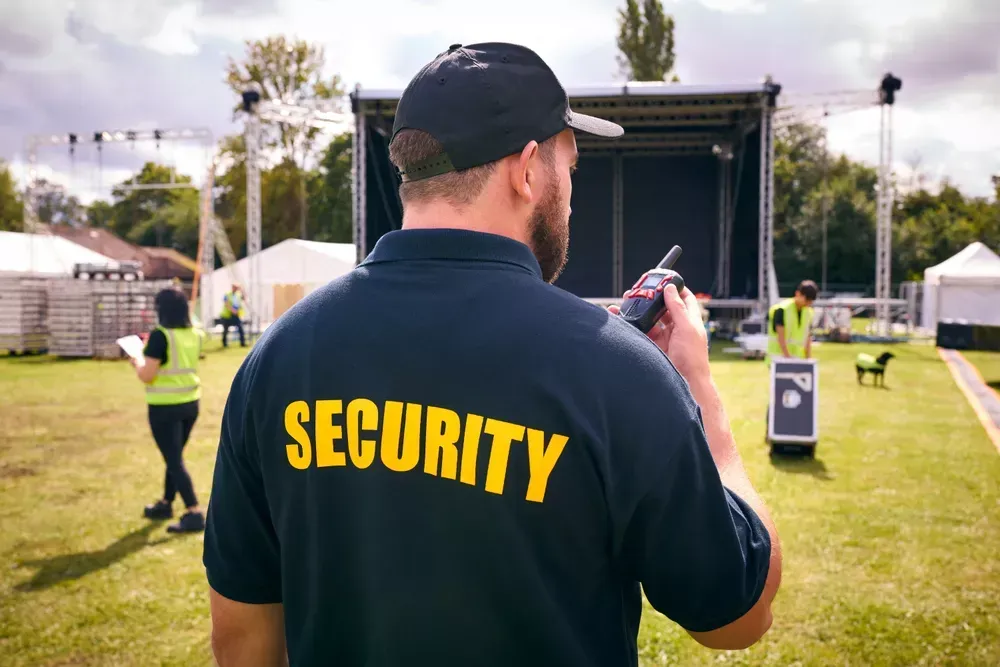
Event security plays a critical role in ensuring the safety and comfort of guests, vendors, and staff. When unexpected circumstances arise that require urgent event security solutions, professional planners must respond swiftly and efficiently. Sudden security concerns can develop due to weather alerts, political protests, VIP attendance, or unforeseen public disturbances. Handling urgent event security arrangements with expertise protects both the event’s integrity and the client’s peace of mind.
Conducting a Rapid Risk Assessment for Event Security
The first step in planning for an urgent event security involves conducting a rapid yet thorough risk assessment. Identifying potential threats—whether related to crowd control, venue access, or external disruptions—guides the development of the security strategy. Reviewing guest lists for VIPs, evaluating venue vulnerabilities, and monitoring local developments provide critical context. A targeted assessment shapes the following steps and resource allocation.
Consulting with venue management ensures a clear understanding of existing security protocols and available resources. Venues often have preferred security partners or internal teams who can assist quickly. Establishing collaboration with the venue streamlines communication and avoids duplicated efforts. Understanding site-specific rules and emergency procedures prevents delays in implementation.

Vendor input also becomes crucial during the risk assessment phase. Audio-visual teams, catering staff, and transportation providers may offer insights into logistical vulnerabilities. Reviewing load-in schedules, storage areas, and guest entry points with vendors helps identify weak spots. Vendor cooperation enhances the overall effectiveness of event security measures.
Prioritizing the most immediate risks allows planners to deploy resources efficiently. Whether the primary concern involves crowd control, perimeter monitoring, or access verification, focusing on the highest-impact areas first ensures the safety of guests. Time-sensitive decisions often require working with available personnel and tools rather than waiting for ideal resources to become available. Quick prioritization defines successful crisis management.
Sourcing and Deploying Professional Security Teams Quickly
Establishing strong relationships with reputable event security providers makes the deployment of security measures much easier. Having a list of trusted security partners enables planners to mobilize professional teams without delay. When time is short, providers familiar with event-specific demands respond more effectively. Pre-vetted teams reduce the risk of unreliable service during high-pressure moments.
Communicating detailed event information ensures security teams arrive prepared. Sharing guest counts, event flow, access points, and known risks allows the team to plan appropriate coverage. Clear communication about attire, guest interaction protocols, and escalation procedures ensures alignment with event tone and client expectations. Proper briefings protect both security staff and guests.
Assigning roles and responsibilities among the security team supports efficient deployment. Dividing coverage into zones—such as entry points, stage areas, VIP sections, and parking lots—ensures no critical areas go unattended. Providing each team member with contact lists and communication tools enables fast coordination during the event. Well-structured teams execute with confidence.
In cases where professional security teams cannot arrive quickly enough, leveraging existing event staff for immediate coverage becomes necessary. Designating trusted personnel to monitor entrances, manage guest flow, or act as spotters provides temporary support. Training staff on basic crowd management and emergency response helps bridge gaps until professional help arrives. Flexibility and leadership are key during these moments.
Enhancing Access Control and Guest Verification
Controlling access points is one of the most effective strategies for quickly strengthening event security. Limiting guest entry to a single monitored location allows better oversight of arrivals. Implementing check-in procedures—whether digital or manual—ensures only authorized individuals gain access. Strong access control reduces the risk of uninvited guests or security breaches.
Providing security teams with updated guest lists and vendor credentials improves verification accuracy. Including photos or ID references for VIPs and key vendors enhances recognition. Rapid printing or digital distribution of updated lists enables on-site teams to respond in real-time. Accurate information supports confident decision-making at every checkpoint.
Using visible signage and crowd control barriers guides guests toward designated entry points. Clear visual cues help reduce confusion and prevent guests from entering restricted areas. Thoughtful signage also reinforces the presence of professional security measures at the event. Guests feel reassured knowing safety protocols are in place.
If guest screening becomes necessary, planners must implement bag checks, metal detectors, or hand-held scanners discreetly and respectfully. Communicating screening procedures in advance, when possible, helps manage guest expectations. Training security staff to handle screening with professionalism and courtesy preserves the guest experience. Careful balance between security and hospitality remains essential.
Managing Crowd Control and Onsite Safety Protocols
Crowd management becomes critical when event security concerns escalate unexpectedly. Deploying additional staff to high-traffic areas, such as entrances, bars, or stages, helps prevent overcrowding. Using stanchions, ropes, or temporary barriers helps organize guest flow and minimize congestion. Proactive positioning reduces the risk of accidents or security breaches.
Monitoring guest behavior throughout the event allows security teams to address issues before they escalate. Spotters positioned at key vantage points watch for signs of disorder, conflict, or suspicious activity. Maintaining constant communication between staff ensures fast response times. Early intervention maintains event flow and guest comfort.
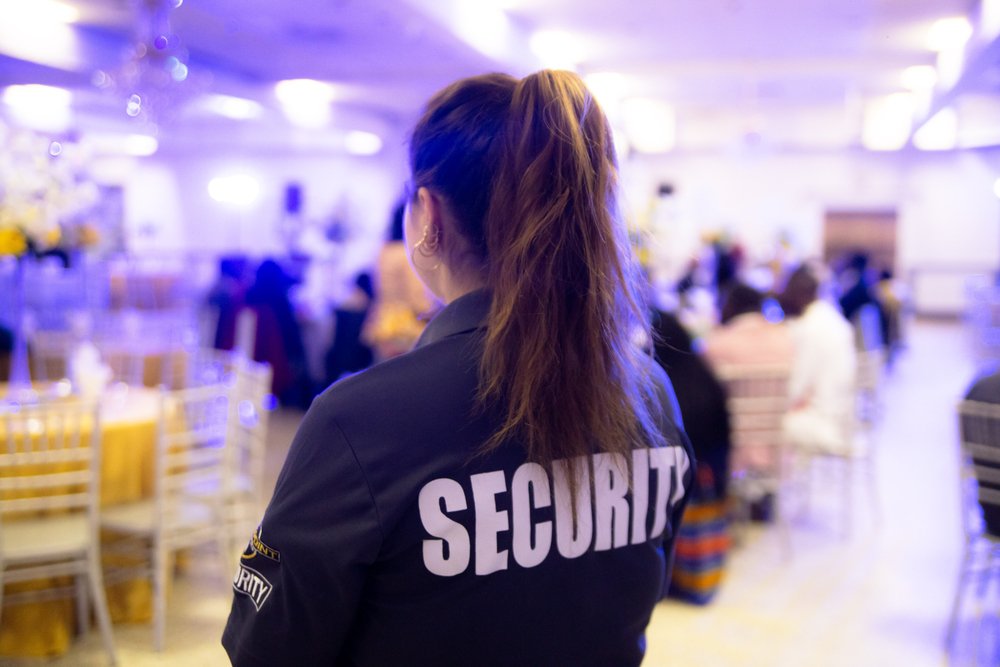
Implementing clear emergency evacuation procedures enhances event security for large gatherings. Reviewing exit routes, assembly points, and communication signals with both staff and guests prepares everyone for unexpected situations. Visible exit signage and staff stationed near doors provide additional reassurance. Safety-focused design builds trust with attendees.
Coordinating with local emergency services ensures a stronger event security response when necessary. Establishing contact with police, fire, or medical teams before the event creates a direct line for urgent support. Sharing site maps and event schedules allows external responders to act quickly if needed. Collaboration with local services strengthens the overall safety infrastructure.
Communicating Security Protocols to Clients and Guests
Transparent communication with the client is crucial during the planning of urgent event security. Providing regular updates about implemented measures, identified risks, and ongoing monitoring reassures clients that their event remains under control. Setting clear expectations helps reduce client anxiety during high-stress situations. Professional communication fosters trust and confidence.
Sharing necessary security details with guests helps manage their comfort without creating an alarm. Offering simple, non-intrusive announcements about access changes, screening processes, or emergency exits ensures guests stay informed. Positive framing of messages helps preserve the event’s welcoming atmosphere. Guests appreciate proactive communication that prioritizes their safety and well-being.
Training event staff on how to address guest questions about event security enhances the onsite experience. Equipping staff with talking points ensures consistent, reassuring messaging throughout the event. Guests who approach staff with concerns receive accurate information and supportive responses. Confident staff engagement strengthens overall guest satisfaction.
Following the event, the client is provided with a post-security report that documents the actions taken and lessons learned. Providing a detailed summary of security measures, vendor coordination, and guest feedback enhances the value of the planning service. Transparent reporting strengthens client relationships and reinforces the planner’s expertise. Post-event evaluation improves readiness for future scenarios.
Trust Experts Who Manage Event Security with Precision and Care
Urgent event security necessitates swift thinking, effective leadership, and seamless vendor coordination to safeguard both guests and the integrity of the event. From risk assessment and vendor deployment to access control and crowd management, every decision matters.
Balancing safety with guest experience defines expert event planning under pressure when you need a team that handles event security with precision and heart. Trust Copper Cricket to deliver solutions that keep everyone safe and the event running smoothly.
