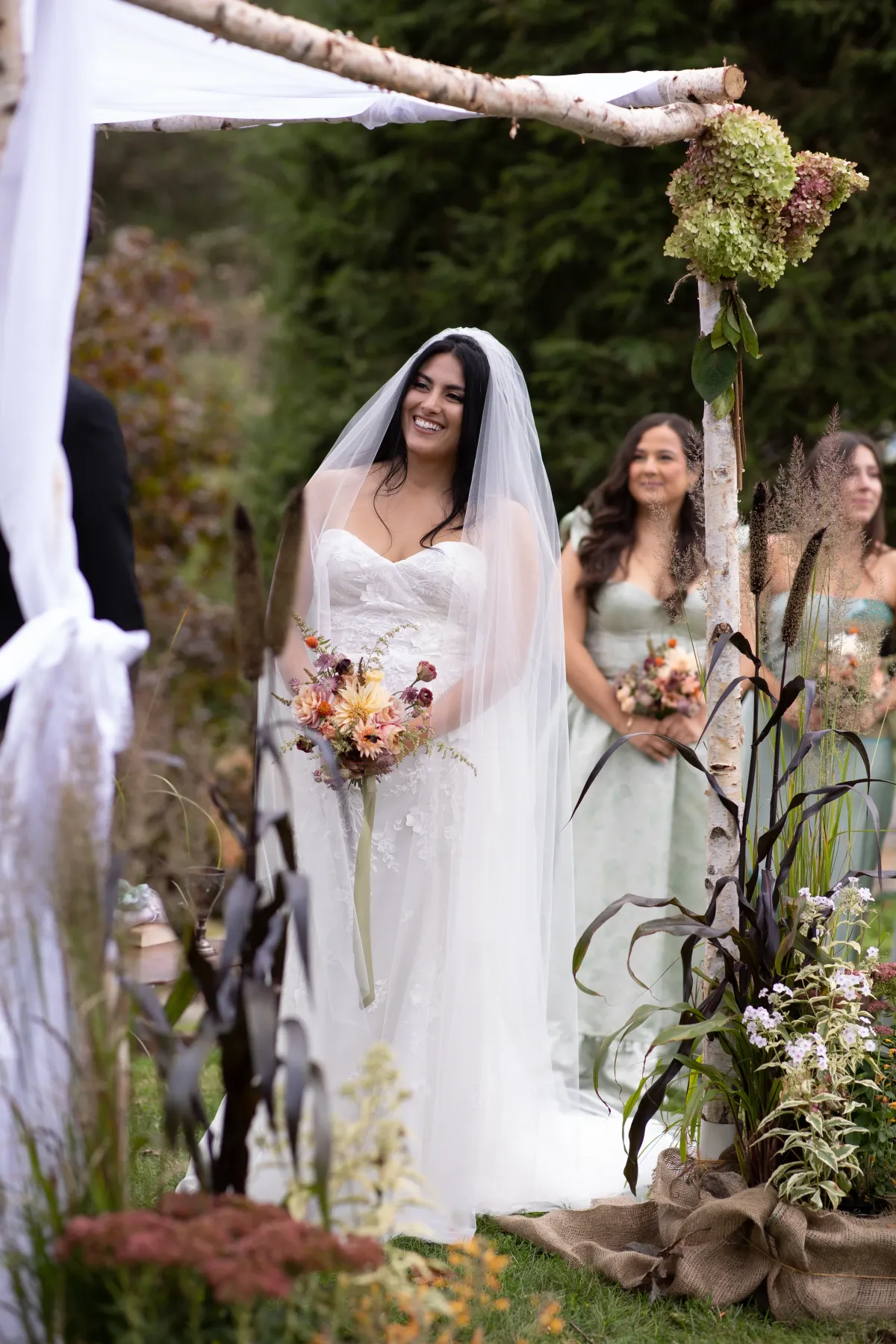
Gathering Insights: Tips for Post-Event Follow-Up
Post-event follow-up is a crucial component of delivering a comprehensive event experience for clients and guests alike. While the event itself may be over, the relationship-building, learning, and refinement process continues well beyond the final guest’s departure. Thoughtful follow-up not only strengthens client satisfaction but also provides critical feedback to improve future events. A well-executed post-event follow-up demonstrates professionalism, attention to detail, and an ongoing commitment to excellence.
Effective follow-up strategies enable event planners to collect valuable insights, address lingering concerns, and cultivate long-term relationships with clients, vendors, and attendees. Whether handling a luxury wedding, a corporate gala, or an intimate gathering, following up ensures that every stakeholder feels heard and appreciated. It also transforms temporary projects into lasting partnerships that benefit future events. Mastering the post-event follow-up process is one of the most powerful tools for growing both reputation and client loyalty.
Crafting Personalized Thank You Messages
Expressing gratitude is the foundation of successful post-event follow-up. Sending personalized thank-you notes to clients, vendors, and key participants reinforces goodwill and professionalism. Handwritten cards, customized emails, or thoughtful gifts demonstrate appreciation while strengthening the relationship. Small gestures often leave a lasting impression that outshines even the grandest event moments.
Tailoring messages to each recipient shows intentionality. A note to a client might highlight their vision and partnership, while vendor messages can acknowledge reliability and effort. Referencing specific moments or contributions personalizes the sentiment, making it more impactful. Generic messages feel transactional, while tailored ones foster deeper connections.
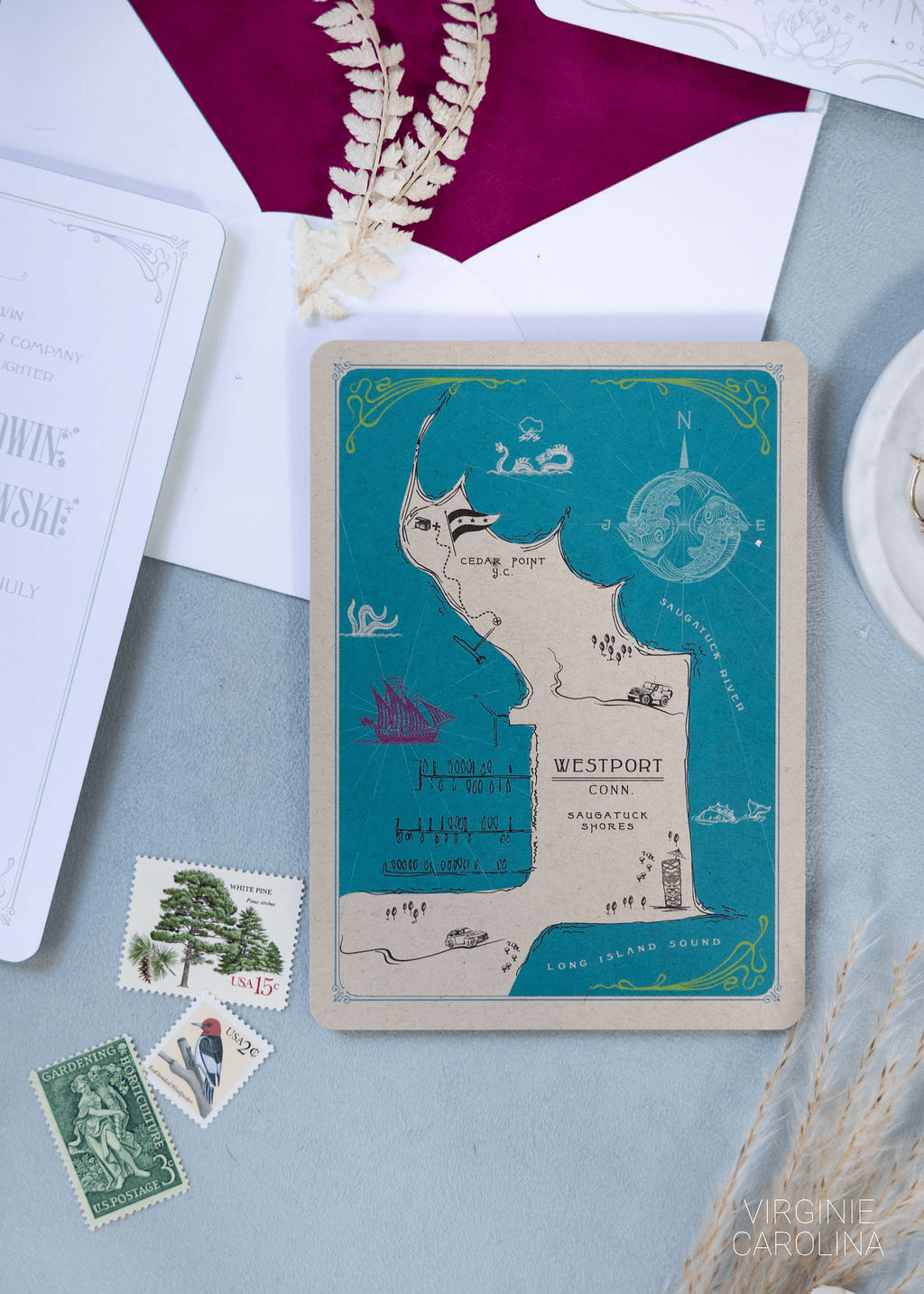
Timing plays a crucial role in gratitude communication. Ideally, thank you messages should be sent within three to five days after the event. Striking while the experience is still fresh maximizes impact and ensures recipients feel genuinely valued. Waiting too long risks diminishing the emotional resonance of the gesture.
Including photographs from the event within thank-you notes adds a personal touch and an extra layer of warmth. A behind-the-scenes team shot or a beautiful event moment reminds recipients of their contribution to the event’s success. Visual tokens elevate gratitude into something memorable and shareable. Thoughtful touches transform a simple thank you into relationship-building gold.
Collecting Meaningful Feedback Effectively During Post-Event Follow-Up
Post-event follow-up should always include a structured feedback process to capture valuable insights and feedback. Sending well-designed surveys to clients, vendors, and guests provides measurable data on what worked and where improvements are needed. Keeping surveys concise, specific, and easy to complete encourages higher participation rates. Valuable feedback hinges on removing friction from the process.
Asking open-ended questions alongside rating scales invites more detailed responses. Queries like “What was your favorite part of the event?” or “How could the experience be improved?” yield actionable insights. Balancing quantitative and qualitative feedback provides a more comprehensive picture of event performance. Comprehensive responses drive future refinement.
Offering incentives for completing surveys boosts engagement. A simple gesture, such as a discount on future bookings or a chance to win a gift card, encourages participation. When stakeholders see value in offering feedback, they are more likely to respond thoughtfully. Motivation turns passive recipients into active contributors.
Hosting quick follow-up calls with key vendors or clients supplements written feedback. Conversations enable a deeper exploration of concerns, praise, and suggestions that may not be revealed in surveys alone. Verbal feedback also reinforces the collaborative nature of event partnerships. Strong communication builds a foundation for continuous improvement.
Analyzing Event Performance for Continuous Improvement
Once feedback is collected, analyzing it thoroughly becomes a vital part of the post-event follow-up process. Categorizing feedback into themes like logistics, guest experience, decor, and vendor performance helps identify patterns. Spotting trends quickly informs what adjustments should be prioritized for future events. Data-driven decision-making fosters consistent growth.
Cross-referencing client feedback with internal team reflections enhances accuracy and consistency. Sometimes, internal observations reveal operational issues clients may not have noticed but still require correction. Evaluating both perspectives ensures the analysis is holistic and fair. Balanced reviews produce better strategies moving forward.
Documenting lessons learned in an internal report serves as a valuable resource for future projects. Notes on what exceeded expectations, what fell short, and what could be streamlined, prevent mistakes from repeating. Systematic documentation transforms each event into a learning opportunity. Written records create long-term operational assets.
Sharing highlights and wins with the team reinforces morale and motivates future success. Recognizing where the team excelled validates effort and encourages a culture of excellence. Positive reinforcement, paired with constructive critique, builds stronger and more adaptable teams. Celebrating wins is as important as addressing challenges.
Strengthening Relationships with Vendors and Partners
Post-event follow-up with vendors strengthens partnerships and improves future collaboration. Acknowledging vendors’ contributions fosters loyalty and elevates the planner’s professional reputation. Strong vendor relationships translate directly into smoother events and better client experiences. Mutual respect fuels operational excellence.
Discussing successes and challenges openly enables both parties to refine their workflows and improve their performance. Whether adjusting delivery timelines, setup protocols, or communication methods, small improvements create significant downstream benefits. Transparency and collaboration form the backbone of vendor partnerships. Productive feedback sessions lay the groundwork for smoother operations.
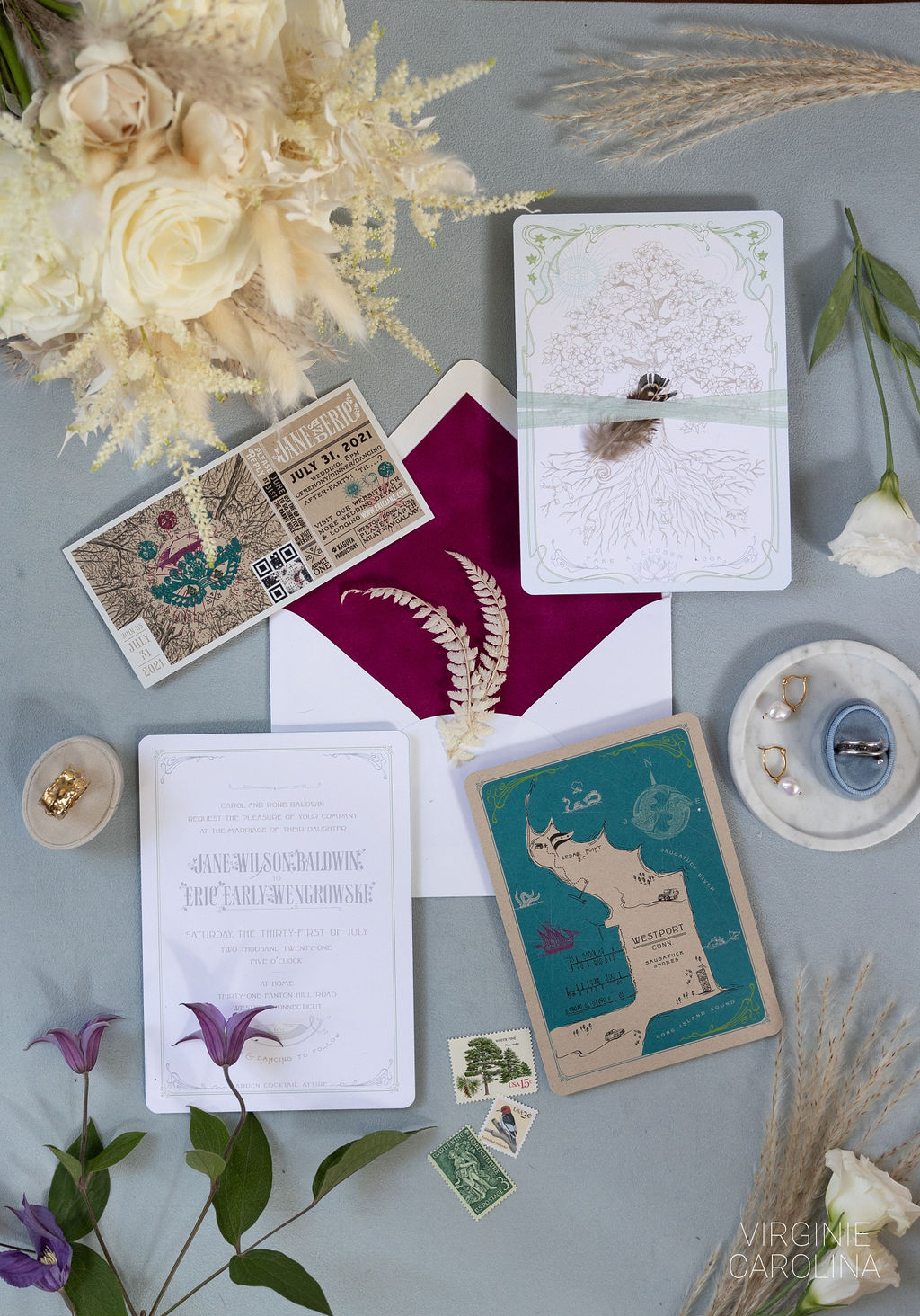
Offering vendors photos from the event to use in their portfolios or marketing materials serves as a goodwill gesture. Beautiful event photography benefits everyone involved and often leads to reciprocal promotion. Sharing assets strengthens relationships while amplifying visibility for all parties. Collaboration benefits both business growth and brand exposure.
Scheduling future check-ins or coffee meetings with top vendors helps maintain a warm relationship beyond the event cycle. Maintaining consistent communication positions the planner as a preferred partner rather than a one-time client. Ongoing engagement nurtures trust and reliability. Strong partnerships are built between events, not just during them.
Leveraging Post-Event Content and Marketing Opportunities
Post-event follow-up creates rich opportunities for content creation and marketing. Sharing event highlights on social media platforms showcases both the planner’s expertise and the event’s beauty. Behind-the-scenes photos, timelapse videos, and guest reactions all contribute to a compelling storytelling experience. Showcasing success attracts future clients.
Requesting testimonials during the follow-up process provides powerful social proof. When clients and vendors offer glowing reviews, potential customers gain confidence in the planner’s capabilities. Featuring testimonials on websites, proposals, and marketing materials strengthens credibility. Positive feedback directly translates into business growth.
Writing a recap blog or newsletter about the event extends its life beyond a single day. Discussing design inspiration, logistics wins, and unique client touches offers value to prospective clients and followers. Content marketing based on real projects positions the planner as an expert in the field. Sharing insights reinforces authority and relatability.
Collaborating with photographers and videographers to create polished galleries not only provides keepsakes for clients but also serves as promotional material for the planner. Beautiful visuals highlight the planner’s ability to create stunning, cohesive experiences. Coordinated content releases amplify the reach and impact of the event long after it concludes.
Partner with a Team That Knows Post-Event Follow-Up Matters
Effective post-event follow-up is the mark of a truly professional, client-centered planning approach. From meaningful gratitude and constructive feedback to vendor collaboration and content creation, every step strengthens relationships and elevates future events. Thoughtful follow-up transforms one-time celebrations into ongoing partnerships that lead to lasting success. When you are ready to work with a team that values every detail—including expert post-event follow-up—Copper Cricket is prepared to bring your vision to life flawlessly and completely. Talk to us now.
